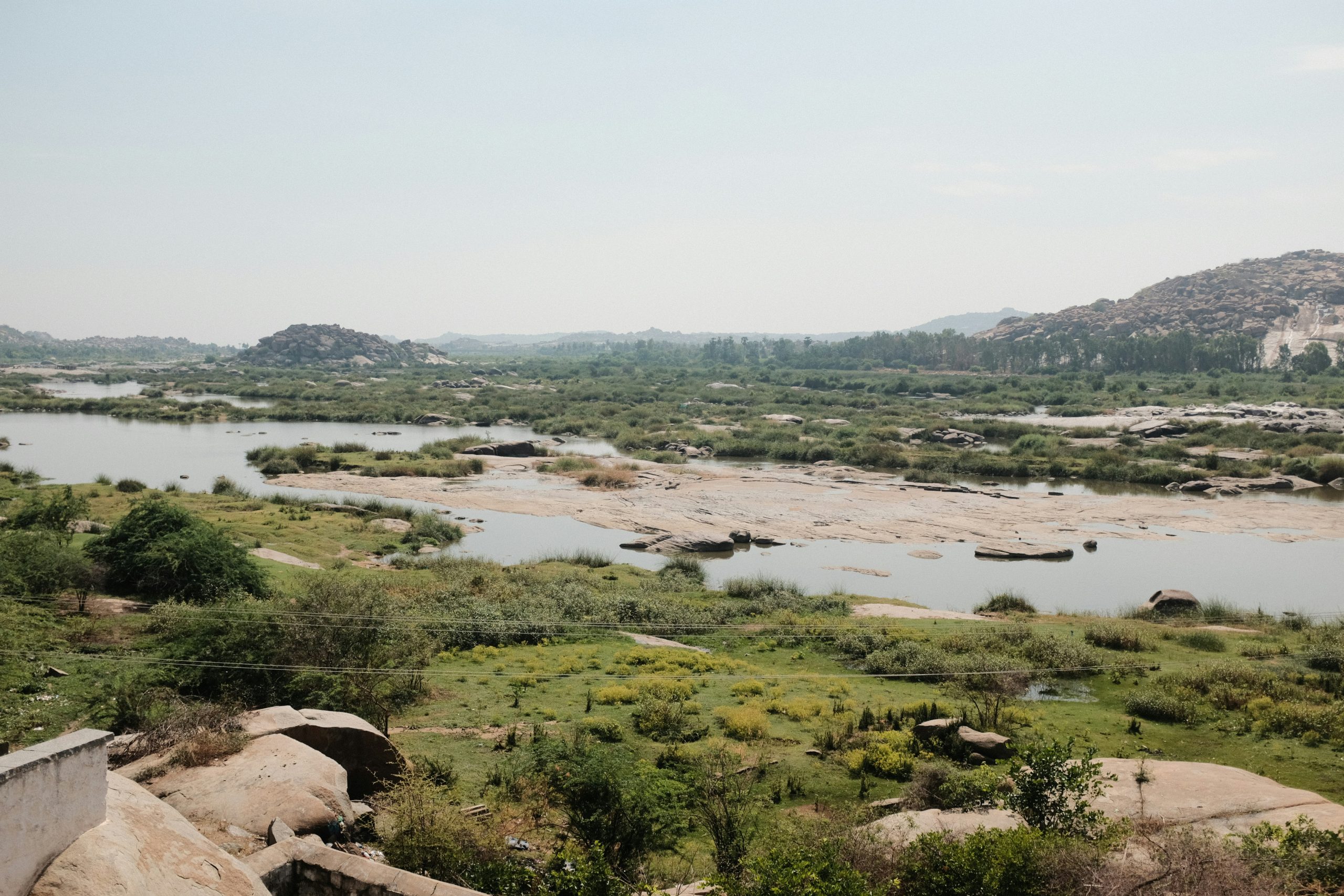
In the heart of East-Central Africa, there’s a country that often goes unrecognized for its quiet wonders. South Sudan is young on the map, yet its history runs deep. Amid headlines of conflict and need, another truth lies softly beneath: this land does not just exist. It breathes. It listens. Stepping into South Sudan is not about escaping life’s rhythm; it’s about embracing its essence.
You follow stories instead of tour guides. A village elder, sitting beneath a tamarind tree, offers tea in silence. When he speaks, he does not instruct; he reveals. With every sip and sentence, the land appears not as a background, but as a character vibrant, raw, and sacred. You
start to understand that South Sudan is not a place you visit. It is a place that visits you. Every encounter here is an initiation. You don’t come to see the wild; you come to witness yourself within it. Slowly, a deeper truth takes root: we do not protect what we do not love. And love,
in this land, arises from awakening, not comfort.
South Sudan, where the land breathes
At dawn, the copper skies over Boma National Park hum with promise. The earth tremblesnot from machines, but from life. The air carries the scent of acacia and wild breath as a tide of white-eared kob, tiang antelope, and Mongalla gazelle flows across the plains. This is one
of Earth’s greatest migrations, rivaled only by the Serengeti, yet it happens in near anonymity a miracle wrapped in solitude. There are no fences here. No paved roads. Only rhythm and instinct. Only the hush of hooves and the calls of eagles. Beyond Boma, more chapters in this
wild poetry await. In Bandingilo, lions move through grass as tall as memory. Giraffes reach for sunlit baobabs. Cheetahs dash across the savannah in bursts of speed. In Nimule, where the White Nile flows gracefully, hippos rise from mist and elephants bathe in the golden calm
of dawn. These places are not “parks” in the usual sense; they are temples. The animals are not sights, but sentinels. Every flutter of a wing, every rustle in the underbrush, every echo in the canopy urges one thing: Look closer. Listen deeper. Be still.
Culture as a guiding flame
Yet the landscape alone does not carry this country’s soul. The people provide the melody.
More than sixty ethnic groups shape the human chorus of South Sudan, each connected to the land through ancestral wisdom. Among the Dinka, cattle mean more than a livelihood;
they represent language, history, and family. A man caring for his herd does not simply manage a resource; he moves in tune with time. Seasons change not by clocks, but by hoof beats and the wind. For the Toposa, Lotuko, and Murle, the earth is sacred. Rivers are not just
crossed; they are welcomed. Mountains are not climbed; they are respected. Sacred groves are cared for not by guards, but by traditions passed through generations. These ways are not “beliefs” as defined by the outside world; they are agreements. Quiet vows with the land.
A practice of coexistence supported not by pressure, but by perspective. This is conservation as it was meant to be not as science imposed from above, but as memory carried through footsteps. Techniques developed over millennia controlled burns, shared waterholes, sacred
hunting cycles show not primitiveness, but precision. The modern world is only beginning to understand what these communities already know: living alongside nature is not a method,
it is a mindset.
The fragile promise of wilderness
Still, this harmony faces threats. Decades of conflict have left more than wounds; they’ve created gaps, in policies, infrastructure and trust. Poachers roam where protectors once stood. Rangers, guardians of wild corridors, patrol for low pay. Floods wash away dirt roads
that used to lead to promise. Yet hope persists. South Sudan remains untouched in ways few places still are. Its rivers still share untold stories. Its trees still hide undiscovered species. Its night skies still sparkle over savannahs free from mass tourism. This moment this fragile now may be its greatest gift: the chance to protect before we need to repair. To cherish before we mourn.
New alliances are forming. Conservationists, both local and global, enter not as saviors, but as learners. Organizations like African Parks and the Wildlife Conservation Society work closely with communities to train rangers, chart migration paths, and promote ecotourism that
honors what it finds rather than exploiting it. This is not conservation as a trend. It is conservation as a tribute. A return not to the past, but to what must never be lost.
A call carved in silence
South Sudan does not demand attention; it extends an invitation. It does not boast; it waits. It waits in the quiet before dawn. In the gaze of an elephant who meets your eyes without looking away. In the words of an elder who waits for the wind to settle before speaking. In the
wild silence that descends just before the drum is struck. What this place asks of you is not admiration, but presence. In return, it offers a truth long buried beneath the noise of our lives:
We are not separate from the land. Every experience with a vivid sky, a story told by firelight, or the distant rumble of a lion can transform how we perceive the world. To come to South Sudan is not to check a box. It is to make a promise. A vow. To protect not just landscapes,
but the wisdom they hold. Not just species, but the songs they sing. Not just traditions, but the truths that pulse beneath all languages. And the land listens. It always has. It hears the footsteps of the mindful. It remembers the breath held in awe. It carries the echo of every
heart that has chosen to honor instead of take.
Come not to consume
Come to be changed
.
In South Sudan, every encounter creates a vow. And the listening land remembers each
one. Come explore the land with great abundance.