
Tanzania
Tanzania is a gorgeous country found within the East African region. It shares borders with Kenya, Uganda, Rwanda, Burundi, Zambia, Mozambique, Malawi, the Democratic Republic of Congo and the Indian Ocean. Tanzania is the largest country in East Africa, covering a total land area of 946,300 square kilometers. The country combines the mainland, the Zanzibar archipelago and extensive inland waterbodies. The total human population is at least 67 million making it the most populous country in the East African Community. Though Dodoma is Tanzania’s official capital, Dar es Salaam is the de facto capital.
History of Tanzania
Tanzania is regarded as the “Cradle of mankind” since it is where ancient fossils of humans were discovered. This was in Olduvai Gorge, and Laetoli where human footprints that date back millions of years are preserved. The discovered bones of Paranthropus are believed to be around 2 million years old. Meanwhile, the Laetoli footprints are estimated to be around 3.6 million years old. These are some of the earliest evidences of upright bipedal walking in human ancestors.
Earlier locals within the region included hunter-gatherers, Cushitic migrants, Bantu settlers and Nilotic pastoralists. These significantly influenced the socio-economics of the region through agriculture, ironwork and social structures. Later, Arab and Persian traders came to the coast of the region, enhancing wealth within East Africa. This was also responsible for the rise of the Kiswahili language and a number of trading cities such as Kilwa. These led to the expansion of Swahili influence across the Islands and mainland between the 13th and 15th centuries.
In the late 15th century, the region saw the arrival of European explorers and colonizers. The Portuguese, Omani Arabs, Germans and later the British came in to shape the political environment. By 1884, Tanganyika was now German East Africa. However, after World War 1, It became British-administered Tanganyika, which set the stage for the country’s independence. This was on December 9, 1961, led by Prime Minister, Julius Nyerere, On April 26, 1964, Tanganyika and Zanzibar united to form Tanzania with Nyerere as their first president.
Weather in Tanzania
Tanzania experiences a tropical climate, implying that the country experiences distinct dry and wet seasons. This is influenced by ocean currents, winds, altitude and latitude etc. Monthly temperatures vary in different regions. For instance, in the highland areas, temperatures range from 10 and 20 degrees Celsius in cold seasons and warm seasons respectively. Most parts of the country hardly experience temperatures below 20 degrees Celsius. May to August offer the coldest weather, ranging from 15 to 20 degrees Celsius.
The warmest period in Tanzania runs from November to February with temperatures ranging from 15 to 20 degrees Celsius. Rainfall in Tanzania is largely influenced by the migration of the Intertropical Convergence Zone. The rainfall is characterized by both unimodal and bimodal rainfall regimes. These occur from October to April (unimodal) and from October to December and March to May (Bimodal). January to February is hot with occasional showers, while June to October are the coolest yet driest periods of the year.
Top Attractions in Tanzania
Unsurprisingly, Tanzania offers a remarkable range of attractions that showcase the country’s natural beauty, biodiversity and cultural heritage. Tanzania offers unforgettable experiences for all travelers in the following attractions,
Best National Parks in Tanzania
Some of Africa’s most celebrated national parks are found in Tanzania. These national parks have vast landscapes, numerous and unique wildlife and various ecosystems. The well-known Tanzanian parks are part of the northern safari circuit, attracting millions of visitors for their wildlife viewing experiences. These national parks range from enormous savannah protected areas to volcanic craters and lakes etc. They include the following,
Covering a land area of 14,763 square kilometers, Serengeti National Park is one of the largest in the whole of Africa. Serengeti’s main attraction is the annual Great Migration, where millions of wildebeest, zebras and gazelles journey across the wilderness. Serengeti National Park also offers game drives, hot-air ballooning, birdwatching and guided nature walks. This is because 70 mammal species and 500 bird species live in Serengeti National Park. Among the mammals, the iconic big five (lions, leopards, rhinos, buffaloes and elephants can be seen.
Kori bustard, African fish eagle and the red throated tit are some of the bird species common in Serengeti National Park.
This covers 2,850 square kilometers in Tanzania’s northern region and part of the northern safari circuit. Tarangire National Park offers diverse attractions that make it a special tour destination. These include large herds of elephants and the ancient baobab trees. Tree-climbing lions are known to inhabit the plains of Tarangire National Park. Other animals found in the park include cheetahs, impalas, giraffes, leopards, wildebeest, zebras, spotted hyenas, elands, waterbucks and African wild dogs.
There is the flowing Tarangire River, a spot for numerous wild animals that flock the place especially during dry seasons. This is good for wildlife viewing during game drives. Birdwatching and photography are other excellent activities to do in the park. Tarangire is also a shelter to 500 species of birds. These include ostriches, Bateleur eagle, pygmy falcon, Kori bustard, yellow collared lovebird, Martial eagle and Egyptian vulture.
The Ngorongoro Crater is not a national park but also a conservation area in the northern safari circuit of Tanzania. This is the largest intact volcano caldera on earth, because it measures 265 square kilometers in area and 16 kilometers in diameter. The formation of the Ngorongoro Crater involved a massive volcano that collapsed thousands of years ago. This crater is home to several wild animals such as the big five (lions, buffaloes, elephants, black rhino and leopards).
Bird species recorded at Ngorongoro Crater number up to 500. These include major species such as greater and lesser flamingos, common ostrich, dusky turtle dove, fan-tailed widow bird and barn swallow. The activities offered at Ngorongoro Crater include game drives, birdwatching and cultural encounters with the Maasai or Hadzabe communities. At Ngorongoro, visitors can also explore archaeological sites like the Olduvai Gorge and Laetoli footprints to learn about the early man.
Which covers only 325 square kilometers in the northern safari circuit. This is largely occupied by Lake Manyara, a shallow but alkaline lake that attract a lot of mammals and birds. The park is also home to the tree-climbing lions, baboons, elephants, buffaloes, wildebeest, zebras and giraffes. Lake Manyara hosts 400 bird species comprising Pallid harrier, great white pelican, collared sunbird, squacco heron, common buzzard and green sandpiper. Lake Manyara is perfect for game drives, nature walks, birdwatching and scenic views.
Other national parks found in Tanzania include Mikumi, Kilimanjaro, Arusha, Gombe, Katavi and Ruaha.
Mountains in Tanzania
The country is simply one of the best places where several significant mountains can be found. These mountains shape the country’s landscape and climatic conditions. Most importantly, these mountains are shelters for biodiversity, hosting unique flora and fauna. They are also watersheds for many Tanzanian lakes and rivers. So many travelers to Tanzania are attracted to these mountains for exploration and as recreational activities. Activities to enjoy on Tanzania’s mountains include hiking, climbing, photography, camping and wildlife viewing.
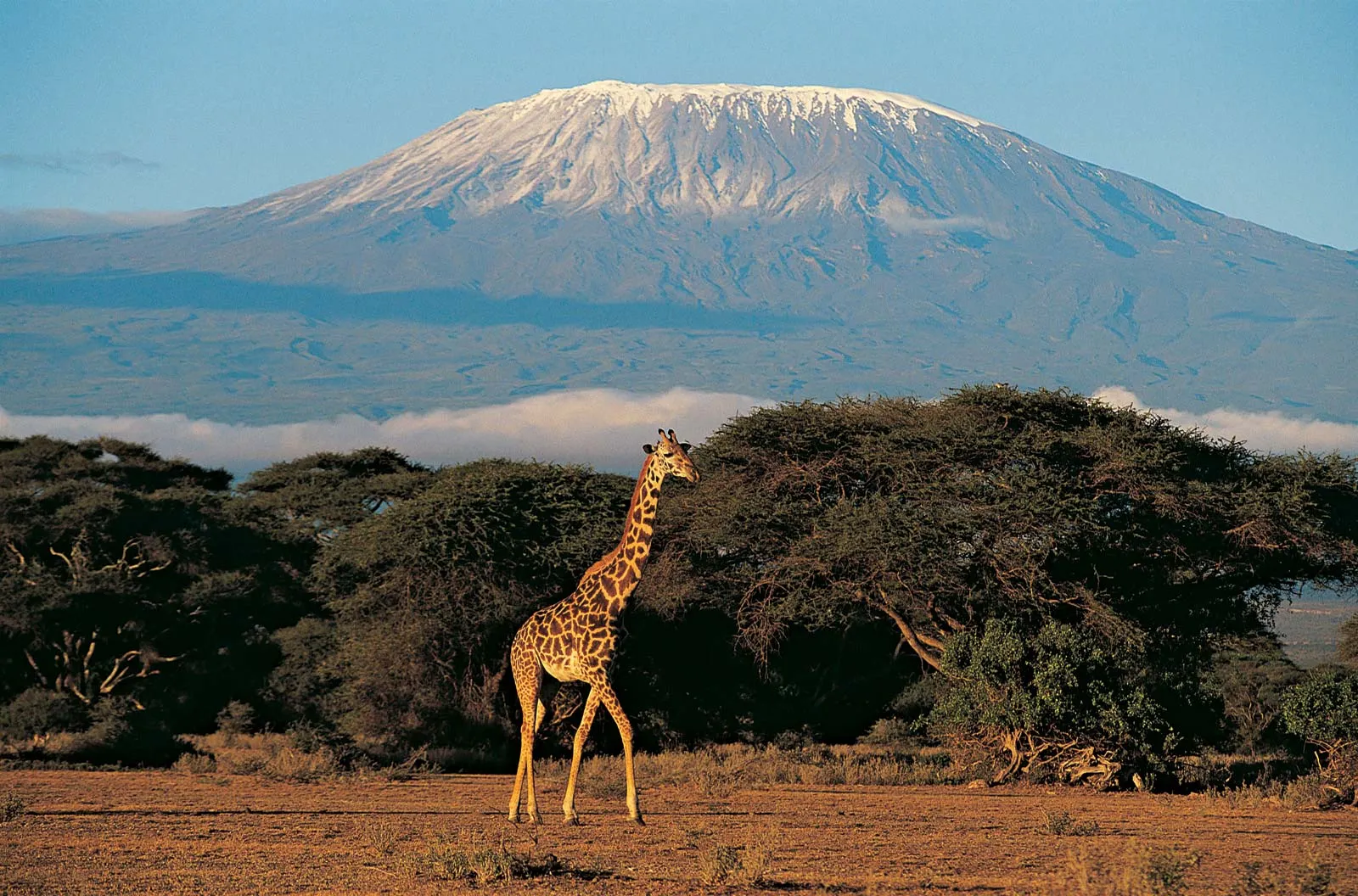
Mount Kilimanjaro, in northeastern Tanzania is Africa’s tallest with a maximum height of 5,895 meters above sea level. This is at Kibo summit where climbers can reach the Uhuru peak. While trekking Mount Kilimanjaro, a diverse range of flora and fauna can be seen, including moorlands, forest and alpine deserts. Mount Kilimanjaro also offers hiking and walking safaris. Encountering the local communities around the destination is a chance to gain knowledge about their cultural heritage and livelohoods.
Wildlife to see are numerous and include elephants, bush pigs, blue monkeys, buffaloes, giraffes, black and white colobus monkeys and leopards etc. The mountain houses 180 bird species, making it an ideal destination for those on birding tours. Birdwatching is another major activity that can be done at Mount Kilimanjaro. This is to spot southern citril, little grebe, speckled pigeon, crested francolin, crowned hornbill, spur-winged goose and glossy ibis.
Explore the Zanzibar Islands
The stunning Zanzibar Islands archipelago are situated just off the Tanzanian coast, renowned for their beautiful blue waters and unique cultures. Visitors to the islands enjoy a combination of relaxation, cultural encounters and thrilling adventures that make the experience beyond worthwhile. Attractions are diverse including pristine beaches, cool atmospheres, marine wildlife and historical sites. The top attractions and activities in Zanzibar are described as follows,
Beaches, which are extremely popular worldwide thanks to their white sandy shores and crystal clear waters. These are all important for visitors who love sunbathing, swimming, relaxing or even enjoying a beautiful sunset. This can be done in beaches such as Paje, Kendwa, Nungwi and Matemwe etc. Lagoons and gentle waves offer spots for water sports such as kayaking, snorkeling, and kite surfing etc.
Spice Markets, that offer visitors a chance to explore a variety of fragrant plantations in Zanzibar. Zanzibar is also called “Spice Islands,” thanks to a multitude of spices grown there, including cinnamon, nutmeg, black pepper, ginger and cloves among others. While exploring or purchasing spices, you gain knowledge about their production and health benefits. This is also a chance to interact with the vendors.
Stone Town, which is a historic city in Zanzibar with traditional architecture, busy markets and winding streets. This is among the oldest parts of Zanzibar. Exploration of cultural landmarks, shops, local cuisines and the streets offer knowledge about Zanzibar’s rich history. For example, this was the former capital of the Zanzibar Sultanate and a center for slave and spice trade. Interaction with the people and learning some words in Swahili can be done.
Lakes and Rivers in Tanzania
There is more than iconic wildlife, beaches and mountains in Tanzania. Plenty of lakes, rivers and other shimmering open waters where unforgettable boat trips, fishing tours, snorkeling and kayaking etc. are done. Major highlights include Lake Victoria, Lake Tanganyika, Lake Nyasa, Lake Rukwa, Lake Natron and Lake Manyara. These are perfect spots for exploration, birdwatching, fishing and relaxation. Major rivers include Rufiji, Pangani, Ruvuma, Kagera and Wami. Tanzania’s waterfalls include Ndoro, Sanje, Materuni, Soni and Mount. Meru.
Culture in Tanzania
Tanzania is culturally diverse with over 120 tribes including the Maasai, Makonde, Wameru, and Chaga. Each of these offers distinct cultural tapestry, blending ancient practices with modernity including being united by Kiswahili. Many tribal languages are gradually declining due to this. English and Swahili are Tanzania’s official languages. Locals in Tanzania showcase their cultural richness through traditional music, musical instruments and cuisine. Music includes Taarab, Ngoma and Zouk, with a mix of modern styles to create vibrant sounds. Local cuisines include Pilau, Biryani, Nyama Choma, and Ugali etc.
Historical sites in Tanzania
Tanzania is home to some of the planet’s magnificent archeological discoveries besides the aforementioned Olduvai Gorge and Laetoli footprints. The country’s heritage is also reflected in sacred landscapes, ancient rock art and others. Kondoa Rock-Art Sites and Bagamoyo historic town offer stories of spiritual life, trade and community. The almost endless list of other historic gems encompasses Kilwa Kisiwani, Marangu Defences, Livingstone’s Tembe and Zanzibar’s Stone Town.
Best time to visit Tanzania
Tanzania can be visited all year-round, even during the country’s public holidays. But you can come to Tanzania during the dry season if you desire the ideal wildlife viewing experiences. Especially during June to October, the weather experienced in Tanzania offers perfect outdoor activities for visitors. This enhances the accessibility by road thus making it less challenging to travel across national parks and reserves. The skies are often clear, it is sunny and vegetation cover is usually sparse to offer clear wildlife views.
Large mammals tend to gather around the few water sources remaining thus making it easier to view plenty of them. The popular Great Migration in Serengeti National Park generally takes place during the dry season of June-October. However, for visitors who desire to witness the wildebeest calving visit Serengeti National Park in January and February. Birders should come to Tanzania in the wet seasons, when migratory bird species and residents are available and breeding respectively.
Tanzania Top Stories
Blogs
THE CHEAPEST TIME TO VISIT TANZANIA
Have you been dreaming of seeing the Serengeti, witnessing the wildebeest migration, or relaxing on...Continue reading→

COMPARING MOUNT KILIMANJARO AND THE RWENZORI MOUNTAINS: WHY BOTH SHOULD BE ON YOUR BUCKET LIST
Mount Kilimanjaro and the Rwenzori Mountains are two of the most iconic mountain ranges...Continue reading→