
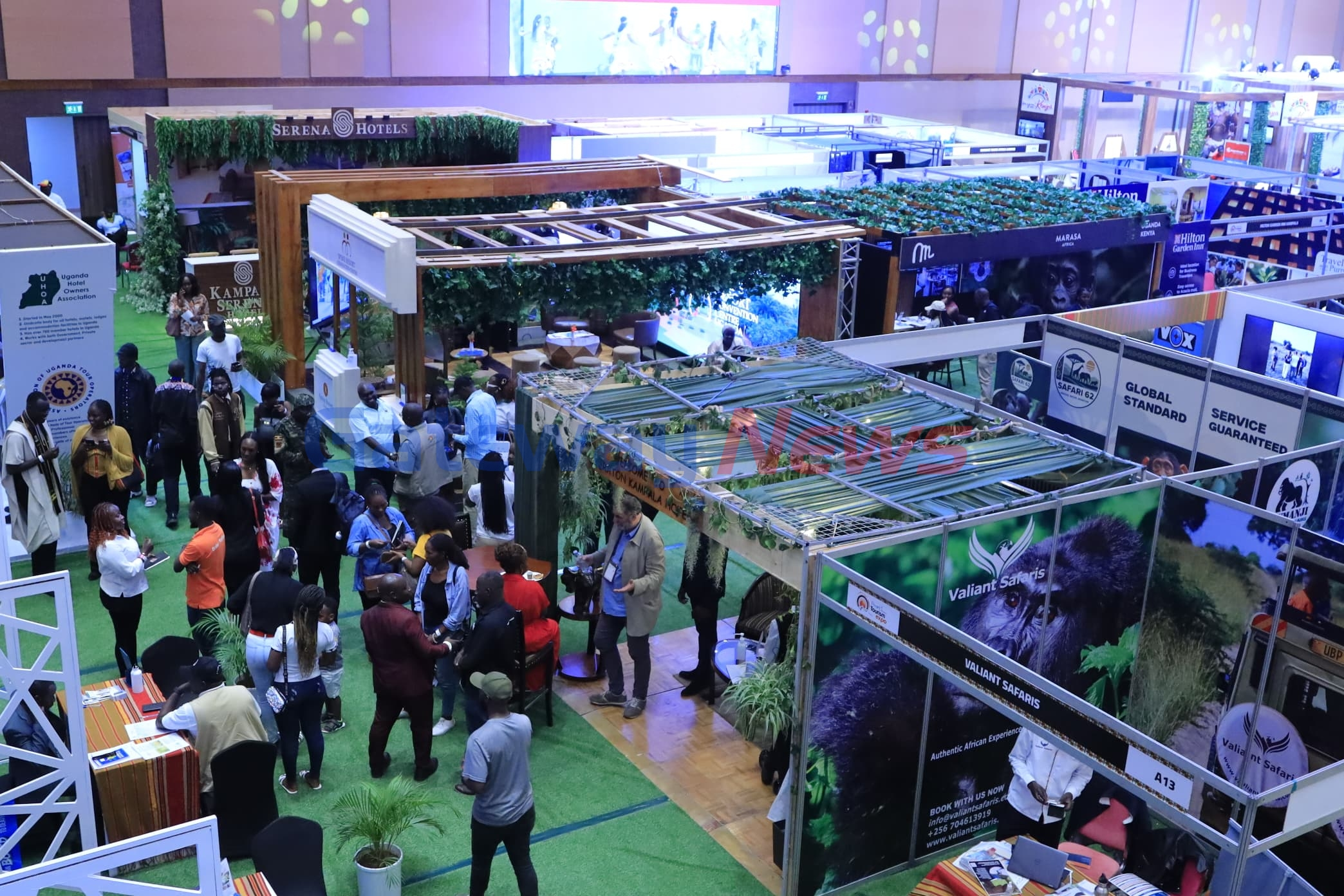
The 10th edition of the Pearl of Africa Tourism Expo 2026 has left behind one big question within the tourism industry: has this been a turning point for Uganda’s tourism sector, or simply another successful edition on the calendar?
From the scale of participation to the quality of engagement, POATE 2026 felt different. There was a stronger sense of direction, deeper business conversations and a clearer alignment between government, private sector and international partners on the future of tourism in Uganda.
A Strong Political Signal for Tourism Growth
The tone of the expo was set right from the opening ceremony, where the presence of H.E Yoweri Kaguta Museveni reinforced the government’s growing attention to tourism as a strategic economic pillar.
For many industry players, this was more than protocol. It reflected a message that tourism is no longer being treated as a supporting sector, but as a core driver of jobs, investment and foreign exchange earnings. This level of political visibility is one of the reasons many observers are calling POATE 2026 a possible turning point.
A More Connected and Competitive Expo
From day one, the exhibition halls were filled with activity. Cultural performances, destination showcases and business meetings created a constant flow of engagement between exhibitors and visitors.
Tour operators, airlines, hospitality brands, media houses, filmmakers, craft exhibitors and content creators all shared the same space but with a more competitive and business-focused energy than in previous editions.
At the stall of Altric Africar Safaris, hosted buyer meetings were not only consistent but sustained throughout the entire three days. Unlike earlier editions where activity would often slow down, this year’s engagement remained strong and structured, pointing to increased international interest in Uganda’s tourism offerings.
Stronger Public Participation and Wider Reach
One of the clearest signs of change was the level of public participation. POATE 2026 attracted a noticeably larger and more diverse audience, including students, entrepreneurs, tourism enthusiasts and first-time visitors to the expo.
The decision to make access more open and inclusive helped position POATE not just as a trade event, but as a national tourism platform. Even with the venue located outside Kampala, attendance remained high throughout the three days.
Pre-event digital campaigns, influencer engagement and media promotion also played a major role in building national anticipation, showing how tourism marketing in Uganda is becoming more modern and digital-driven.
The Rise of Digital Influence in Tourism
POATE 2026 also highlighted a major shift in how tourism is being promoted. Content creators and digital storytellers were among the most visible participants, using real-time content to showcase destinations, experiences and business interactions.
This growing digital presence is shaping how tourism decisions are made. More travellers are now influenced by social media content, short videos and online travel stories, making digital storytelling a key part of Uganda’s tourism future.
Serious Conversations About the Future of Tourism
The second day of the expo was dominated by conferences, B2B meetings and networking sessions focused on the long-term direction of the sector.
Discussions covered sustainable tourism, investment opportunities, regional tourism cooperation, destination branding and service improvement. Stakeholders also explored how Uganda can position itself more strongly in a competitive global tourism market.
A clear theme emerged from these discussions: Uganda’s tourism industry is expanding beyond wildlife. While safaris remain central, there is growing focus on cultural tourism, sports tourism, film tourism, culinary experiences, events and domestic travel.
From Business Platform to Tourism Experience Festival
The final day of POATE 2026 shifted into a more experiential and festive atmosphere. Food showcases, cultural displays, live entertainment and themed experiences attracted large crowds.
Celebrities, bikers, tourism professionals and visitors turned the expo into a vibrant mix of business and lifestyle tourism. This blend of trade and experience reflected a growing trend in global tourism; where destinations are sold not just through presentations, but through experiences.
So, Has POATE 2026 Marked a Turning Point?
Looking at the scale, the participation, the quality of conversations and the growing international attention, POATE 2026 presents strong evidence of a sector in transition.
It may not be a final turning point on its own, but it clearly represents a shift in momentum. Uganda’s tourism industry is becoming more structured, more visible, more digital and more intentional about growth.
The biggest takeaway from POATE 2026 is not just what happened during the three days, but what it signals for the future — a tourism sector that is evolving, expanding and increasingly confident in its place on the global stage.