

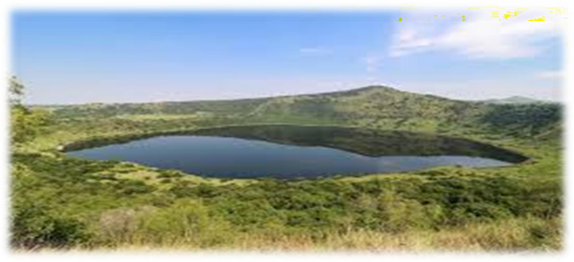
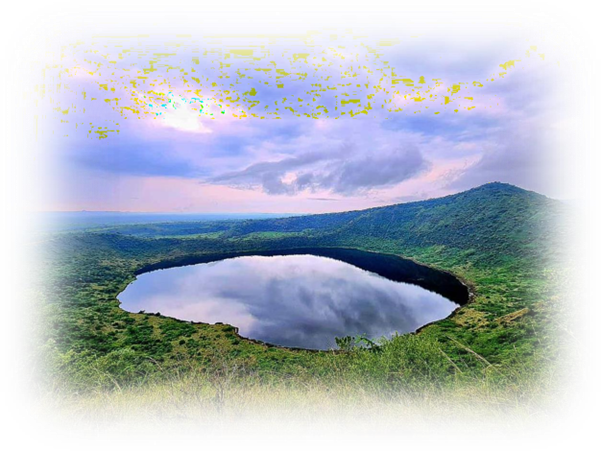
Hidden in the northern reaches of Uganda’s Queen Elizabeth National Park, far from the trodden trails of mass tourism, lies a place where the earth still whispers its ancient secrets Kitagata Crater. Here, in the heart of the Katwe-Kitagata Crater Field, the land breathes through a basin of warm, saline waters, quietly steaming in the sun. To stand at its rim is to witness a moment suspended in time, where geology, mythology, and biology converge. And in that stillness, something profound stirs: a sense of responsibility.
Unlike the salt-harvested Katwe Crater nearby, Kitagata remains untouched by human industry. Its waters shimmer with mystery, long revered by local communities for their healing properties. Elders speak of its curative gifts, and even today, villagers make the journey to collect the mineral-rich water not just for the body, but for the spirit. It is a sacred interaction, one that reveals how
landscapes, when respected, become part of a people’s living identity.
But Kitagata’s magic is not merely cultural it is ecological. Herds of buffalo shuffle through the golden grasses nearby. Warthogs root along the crater’s edges. Crowned cranes spiral overhead in celebratory arcs. Around the crater’s rim, acacia trees and resilient shrubs bind the soil, sheltering the smaller lives reptiles, insects, birds that form the base of this fragile pyramid of life. Each
encounter with Kitagata each footstep, each breath of its mineral-scented air offers a living lesson in the interdependence of all things.
This is not just a place; it is a living classroom. And like all sacred spaces, it is under threat.
Climate change creeps in, shifting rain patterns and drying soils. Human encroachment nibbles at the park’s boundaries. Poaching and deforestation inch ever closer. Kitagata may be hidden, but it is not immune. And in this vulnerability lies its most urgent message: beauty does not guarantee protection. Reverence must be paired with action.
Kitagata Crater is part of the larger Katwe-Kitagata volcanic field, a chain of ancient explosion craters formed by violent volcanic activity thousands of years ago along the western arm of the Great East African Rift Valley. These craters are not mere geological accidents; they are natural records of the planet’s tectonic and volcanic history. Kitagata stands out among these features because it has not been exploited for economic activities, unlike its neighboring Katwe Crater, which has seen centuries of salt extraction. The preservation of Kitagata Crater offers scientists, geologists, and students a rare and undisturbed site for studying earth processes, hydrothermal systems, and the formation of crater lakes within the rift system.
The crater holds saline waters that are naturally heated by geothermal activity, making it a rare hydrothermal feature. This uniqueness provides exceptional opportunities for scientific research into geothermal energy potential and crater hydrology. Protecting Kitagata ensures that future generations can continue to learn from this natural archive without the distortions of human interference.
Beyond its geological story, Kitagata Crater supports a remarkable array of biodiversity. The
surrounding savannah ecosystem teems with life, forming part of Queen Elizabeth National Park’s intricate web of habitats. Acacia shrubs, euphorbia species, and tall grasses stabilize the fragile soil around the crater, preventing erosion and sustaining the area’s water balance. These plants also act as carbon sinks, helping to mitigate the effects of climate change by absorbing atmospheric carbon dioxide.
The fauna of Kitagata is equally captivating. Large mammals such as African elephants, Cape
buffaloes, and Ugandan kobs use the surrounding plains for grazing. Warthogs forage at the crater’s periphery, while waterbucks frequent nearby watering points. Predators including leopards, lions, and hyenas are drawn to this part of the park by the availability of prey. Above, the skies are filled
with birdlife; African fish eagles, marabou storks, pelicans, and various kingfishers glide gracefully over the waters and perch in nearby trees. Migratory birds from distant continents also stop here, reinforcing Kitagata’s global ecological relevance.
Insect life, often overlooked, thrives in this ecosystem. Butterflies, beetles, and pollinators depend on the diverse plant life, ensuring the continued regeneration of the landscape. Reptiles, amphibians, and small mammals complete the circle of life around Kitagata, maintaining the ecological integrity that supports larger species.
For local communities the Banyankole and Basongora people Kitagata Crater holds deep spiritual and cultural meaning. The warm saline waters have been traditionally used to treat skin diseases and muscle aches. This practice is part of a wider indigenous knowledge system that respects and preserves natural resources through careful, sustainable use. Elders pass down stories of Kitagata’s powers and dangers, ensuring that each generation understands its value and significance.
This cultural heritage highlights why conservation must integrate human history and tradition. Protecting Kitagata safeguards not only plants and animals but also the wisdom and practices of the people who have coexisted with this landscape for centuries. Conservation efforts that ignore local voices risk alienating communities and undermining the very protection they seek to enforce.However, modern pressures are mounting. Population growth around Queen Elizabeth National Park increases demand for farmland, grazing areas, and firewood. Unsustainable agriculture threatens to encroach upon protected areas, fragmenting habitats and introducing invasive species.
Charcoal burning, a common livelihood activity, drives deforestation in the region, indirectly impacting Kitagata’s microclimate and watershed health.
Climate change compounds these threats. Rising temperatures and unpredictable rainfall could alter Kitagata’s water balance, affecting the delicate saline ecosystem. Prolonged droughts may lower the water table, while heavy storms could trigger erosion and sedimentation in the crater basin. Such changes would have cascading effects on the plants, animals, and people who depend on this environment.
Tourism, if not properly managed, poses another risk. Unregulated visitation can lead to littering, trampling of vegetation, disturbance of wildlife, and even pollution of the crater waters.
Infrastructure development roads, lodges, and viewing platforms must be carefully planned to minimize environmental impact.
To address these challenges, a multifaceted conservation strategy is needed. Strengthening the capacity of the Uganda Wildlife Authority is crucial. Increased patrols, surveillance technology, and community rangers can deter illegal activities and respond to emerging threats. Clear boundary demarcation prevents accidental or deliberate encroachment, while land-use planning can guide sustainable development in buffer zones.
Equally important is community involvement. Conservation cannot succeed without the participation of the people who live near Kitagata. Initiatives that promote alternative livelihoods such as beekeeping, eco-tourism guiding, handicrafts, and renewable energy use can reduce reliance on destructive practices. Benefit-sharing mechanisms ensure that local residents see tangible rewards from conservation, fostering stewardship and support.
Sustainable tourism development offers another avenue for protection. Kitagata Crater can become a model for low-impact, education-focused tourism. Guided nature walks, birdwatching tours, and geological interpretation trails attract responsible travelers who value knowledge and experience over mass entertainment. Revenues from such tourism can fund park management and community projects.
Environmental education is fundamental. Awareness campaigns targeting schools, youth groups, and village councils build understanding of Kitagata’s importance. Interpretive centers, visitor
information boards, and conservation clubs make the crater’s story accessible to all. When people appreciate a place’s value, they are more likely to defend it.
Scientific research underpins effective conservation. Continuous monitoring of water quality, vegetation health, and wildlife populations provides data for adaptive management. Studies on climate resilience, species migration, and ecological connectivity inform decisions and predict future challenges. Collaboration between Ugandan and international institutions can bring expertise, funding, and innovation.
In a broader context, protecting Kitagata contributes to Uganda’s national commitments under international agreements like the Convention on Biological Diversity and the Paris Climate Accord. It signals a dedication to balancing development with ecological responsibility, setting an example for other nations.
The value of Kitagata Crater transcends its physical presence. It is a symbol of harmony between geology, life, and culture a microcosm of Earth’s intricate systems. To conserve Kitagata is to affirm that such places matter, that wonder and wisdom deserve safeguarding.
Kitagata Crater is not merely a geographical feature; it is a vital part of Uganda’s natural and cultural fabric. Its preservation ensures the survival of species, the integrity of ecosystems, and the continuation of human traditions that honor the land. The responsibility to protect Kitagata lies with us all government agencies, scientists, tourists, and local communities. Only through cooperation and commitment can this natural wonder remain untouched for generations to come.
Conserving Kitagata Crater is more than an environmental obligation it is an act of respect for life itself. It is a declaration that the whispers of the Earth still deserve to be heard, and that our answers must come not in words alone, but in enduring, protective action.
BY: VICTOR NUWAGABA