
A cool, cloudy Saturday morning blanketed the sleepy sanctuary of Katwe, painting the sky in soft grey and muted blue. The air was crisp, filled with anticipation, as our group gathered,boots laced, cameras packed and eyes wide with curiosity. The day held promise -not just of adventure, but of something quietly transformative. Afrigaze Uganda Safaris had planned this day trip, and everything about it felt like a story written in nature’s own ink.
Even as the village stirred slowly to life, the stillness held a quiet message, nature’s calm waiting to be acknowledged. The harmony of Katwe’s morning became the first reminder that conservation begins at home, in small sanctuaries where coexistence with nature still thrives.
As the van rolled to life and glided along the highway, the Rwenzori ranges loomed in the distance, veiled in mist like ancient guardians. Excitement mingled with reverence. The engine hummed steadily, harmonizing with the wind that danced through the windows. Each turn of the wheel brought us closer, not just to our destination, but to a deeper connection with the land, its beauty, resilience, and vulnerability.
The journey unfolded at the gate of Queen Elizabeth National Park, a welcoming threshold into Uganda’s celebrated medley of wonders. The archway stood like a monument of pride, blending effortlessly into the wild landscape. Behind it stretched a mesmerizing backdrop -rolling savannahs meeting distant escarpments, early light teasing silhouettes of euphorbia trees. Cameras clicked, but more than the snapshots was the feeling -the awareness of standing at the edge of something immensely wild and beautiful.
In that moment, the gate wasn’t just an entry, it was an invitation. To see conservation not as restriction, but as reverence for the irreplaceable. Every glance at the plains reminded us that protecting these spaces ensures their survival for generations.

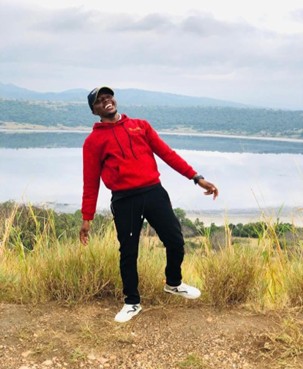
We pressed on, the road winding through the park’s fringes. Soon, the vehicle slowed again as Lake Nyamunuka came into view. A volcanic crater lake cradled in undulating hills, its emerald waters shimmered under the morning sky like a hidden gem. On its banks, buffaloes descended slowly, their heavy bodies silhouetted against the still water. Each movement -a bird’s flight, a ripple, a grunt from the buffalo, felt orchestrated, like nature performing for the few who bothered to watch and listen.
It was here that the spirit of conservation revealed itself in silence. The lake’s pristine surface mirrored not just the sky, but our shared responsibility. That such quiet wilderness still exists is reason enough to guard it fiercely. Watching the buffaloes drink peacefully, I felt it -wildlife thrives when left undisturbed. And in that thriving, it gives back to the world immeasurably.
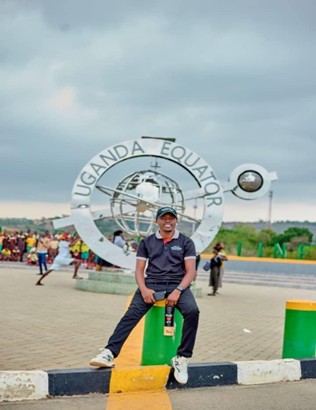
Another brief stop led us to the Kikorongo Equator Monument, where the world quite literally splits in two. Here, the magic of geography met the poetry of perspective. The monument stood firm, a quiet marker of cosmic balance. To the east, Queen Elizabeth’s plains stretched endlessly; to the west, clouds traced the mountaintops. In that place where hemispheres kiss, the sun seemed brighter, as if Uganda cradled its rays a little closer.
Standing between north and south offered perspective. Conservation, too, is about balance. It’s the harmony between access and protection, between people and planet. The equator reminded me that the Earth is shared space, delicately turning beneath our feet, needing care from every direction.
But the true heartbeat of the journey waited deeper into the hills -Kororo Falls, tucked away in Kasese District in Western Uganda. One of the country’s lesser- known gems, Kororo’s obscurity is part of its charm, and its vulnerability. As the van ascended into Kasese’s elevated terrain, the scenery shifted. Lush greenery hugged the roadside, and the air grew heavier with the scent of damp earth and wild blossoms. Birds flitted through the hills in streaks of color, and streams played alongside us, rushing with mountain urgency.
Even before the falls appeared, the land sang with life. Each stream, each bird, each tree reinforced what I had felt all day: the natural world is a miracle we must not take for granted. Every inch of this route held a lesson in biodiversity, in interdependence, in beauty.
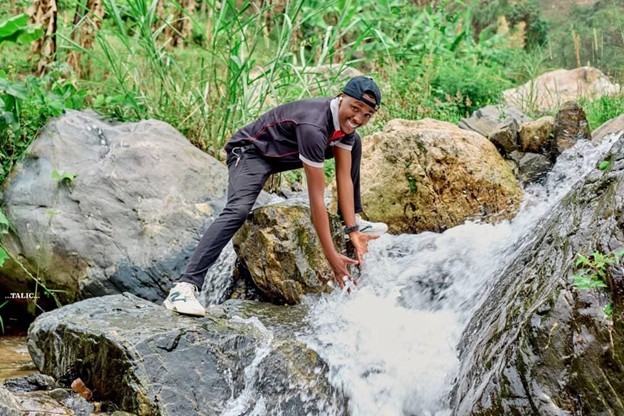
Then, suddenly, we arrived. Kororo Falls unveiled itself not with fanfare, but with quiet majesty. Cascading from the ancient Mountains of the Moon, the falls tumbled down a steep rock face in silvery ribbons, catching sunlight in moments of brilliance before crashing into the rocks below in a spray of mist and music. The sound was overwhelming -roaring yet melodic, powerful yet soothing. It drowned out every thought, every worry, until all that remained was presence.
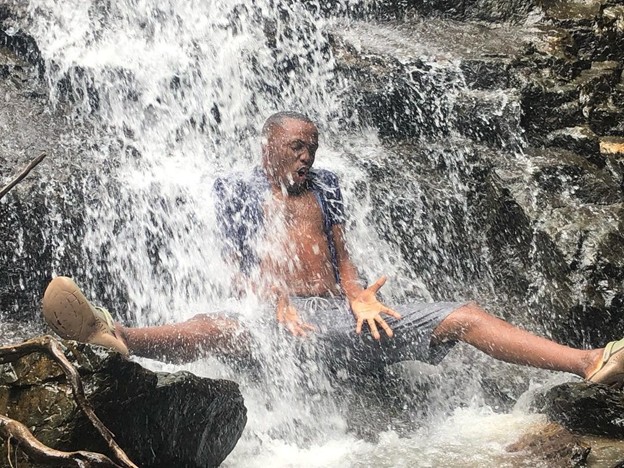
The surrounding landscape was a painter’s dream. Ferns unfurled across the rocks, moss painted every surface in green velvet, and vines twisted upward toward the light. The falls cut a path through the chaos of nature and yet moved with it. Tiny birds danced through the mist, their songs interweaving with the rush of water to create a wild symphony. Somewhere close, the cry of an eagle echoed, a reminder that this place, though beautiful, belonged to creatures more ancient than ourselves.
Standing there, wrapped in the sounds and sights of Kororo, a quiet realization took root. This wasn’t just a place to visit. It was a place to feel. A place that tugged at the soul and whispered truths often drowned out by city noise. Here, the earth spoke through crashing water, rustling leaves, and the pulse of untamed life.
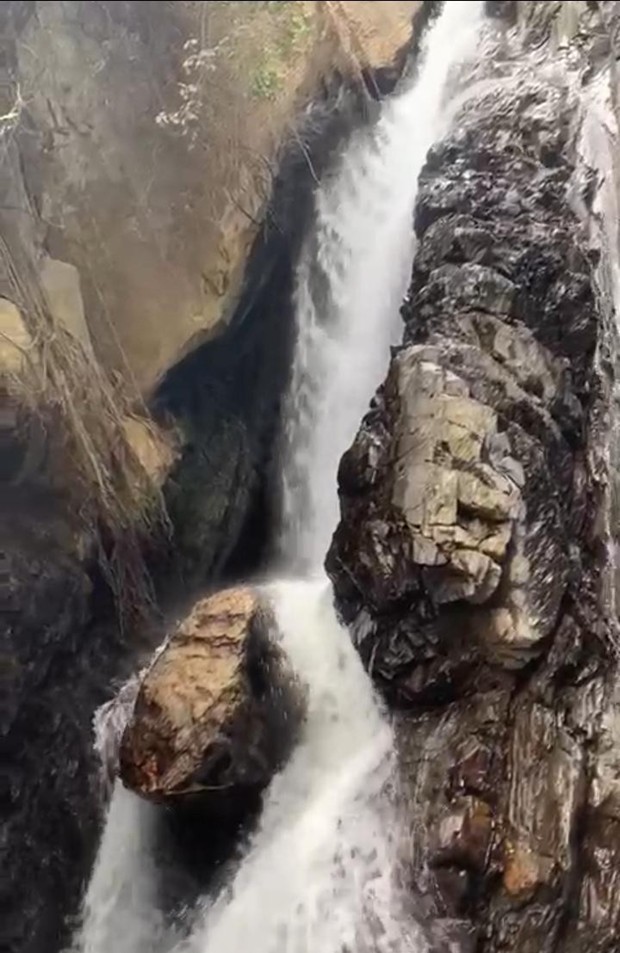
The feeling was overwhelming, a mix of humility and awe, of gratitude and responsibility. To witness this was a privilege. But with privilege comes duty. The serenity of Kororo Falls is not permanent unless treated as sacred. The untouched trails, the pristine water, the shy wildlife peeking from the foliage, all of it is fragile. One careless footprint, one piece of plastic, one ignored rule, and this spell could shatter.
Yet, there was hope. Hope that those who come here will not just see, but feel.
That they’ll stand where I stood and know what I knew, that protecting this
waterfall is not an obligation but an act of love. That conservation isn’t just about policies or fences, but about stories. Encounters that stir something within, the love for nature and the will to safeguard it.
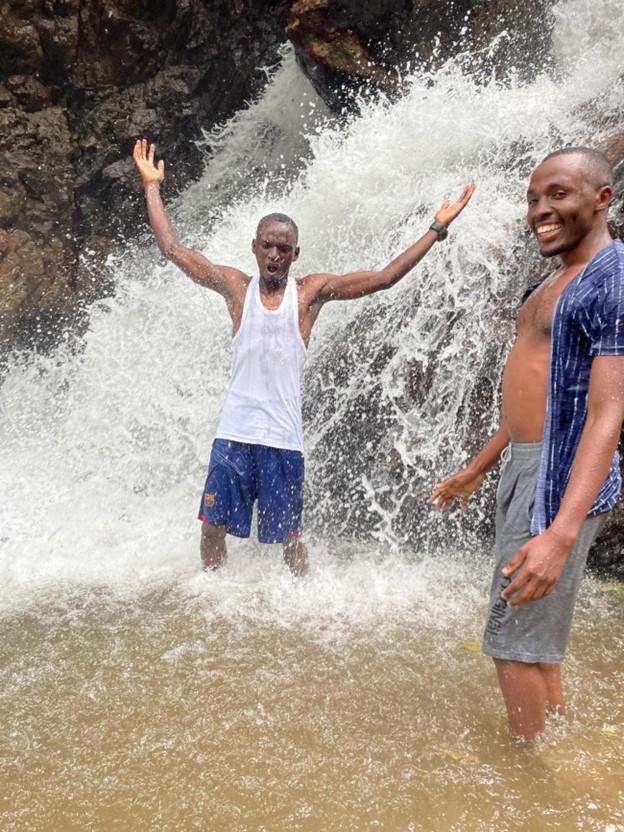
By the time we turned to leave, Kororo had imprinted itself deeply. Not just in memory, but in purpose. It reminded me why we travel, not just to tick off destinations, but to connect, to feel deeply and act kindly. Travel, when done right, becomes a quiet revolution. It changes the traveler, who in turn can change the world, even if it starts with planting a tree, picking up litter, or telling a story that inspires someone else to care.
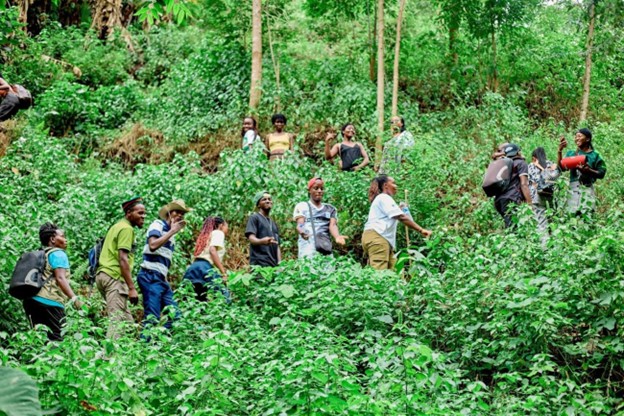
The journey back was quieter. The van still hummed, the road still meandered, but there was a stillness among us, as if each person carried a personal echo of the falls inside. Outside the window, the wild continued -buffaloes grazing, birds soaring, lakes glittering, all waiting for the next traveler to find them, feel them, and fight for their future.
By Namanya Isaac