
By the time the conversations ended in the halls of the Buganda Kingdom on May 6, 2026, one thing was unmistakably clear: Uganda is sitting on a cultural goldmine, and Buganda may just be the heartbeat capable of turning that heritage into one of Africa’s most compelling tourism stories.
There was something deeply symbolic about holding a Cultural Tourism Policy Dialogue inside Buganda itself. The conversation was not merely about tourism statistics or government strategies. It was about identity, memory, storytelling, spirituality, economics, and perhaps most importantly, ownership of narrative.
For years, Uganda’s tourism brand has leaned heavily on gorillas, wildlife, and landscapes. Yet during the dialogue, officials from the Ministry of Tourism, leaders from the Buganda Kingdom, creatives, tourism entrepreneurs, and cultural custodians challenged the country to look inward, toward its people, ceremonies, language, food, music, shrines, royal traditions, and living heritage.
And the numbers already tell a powerful story.
Uganda welcomed approximately 1.6 million tourists in 2025. Nearly 40% of them were cultural travellers, visitors drawn by heritage, traditions, festivals, and local experiences. The pressing question raised during the dialogue was both simple and profound:
Where are these cultural tourists actually going?
Buganda: Uganda’s Cultural Powerhouse.
The Ministry described Buganda as a “powerhouse” capable of propelling Uganda’s cultural tourism agenda forward. Listening to the discussions, it became easy to understand why.
Buganda’s geographical advantage alone makes it impossible to ignore. From Entebbe; Uganda’s main international gateway, visitors enter directly into Buganda’s cultural sphere. The region also possesses Uganda’s densest concentration of tourism infrastructure, entrepreneurial energy, and domestic tourism potential.
But beyond logistics lies something far more valuable: story.
Buganda is layered with living heritage. The iconic Kasubi Tombs stand not only as architectural masterpieces but as sacred spiritual spaces. The Kabaka’s Palace, the haunting torture chambers, Kabaka’s Lake, Wamala Tombs, Nagalabi Coronation Site, and Nakyima Tree Shrine all carry histories that could rival some of the world’s most celebrated heritage destinations if properly interpreted and experienced.
Yet perhaps Buganda’s greatest tourism asset is not its monuments.
It is its living culture.
During the dialogue, speakers passionately reflected on ceremonies like Okwanjula (traditional introduction ceremonies), Okwabya Olumbe (last funeral rites), clan traditions, royal events, storytelling, and spirituality. These are not museum relics. They are active cultural systems still shaping people’s lives today.
And that distinction matters immensely in modern tourism.
Across the world, travellers are increasingly seeking immersive and authentic experiences over passive sightseeing. They want to cook local food, dance with communities, hear ancestral stories, participate in rituals, and understand meaning. Tourism marketing in 2026 is no longer about brochures alone; it is about emotional connection and experiential storytelling.
Buganda already possesses that naturally.
The challenge is packaging it without losing authenticity.
From Static Heritage to Immersive Experience
One recurring phrase during the discussions was that cultural tourism must move “from static to immersive.”
That observation may define the future of Uganda’s tourism industry.
Visitors no longer want to merely look at heritage sites from behind ropes. They want to feel culture. Representatives recalled how Canadian tour operators visiting Buganda highlighted cultural performances and culinary experiences among the most memorable parts of their journey.
That insight is important.
The future tourism economy belongs to destinations that can create emotional memory.
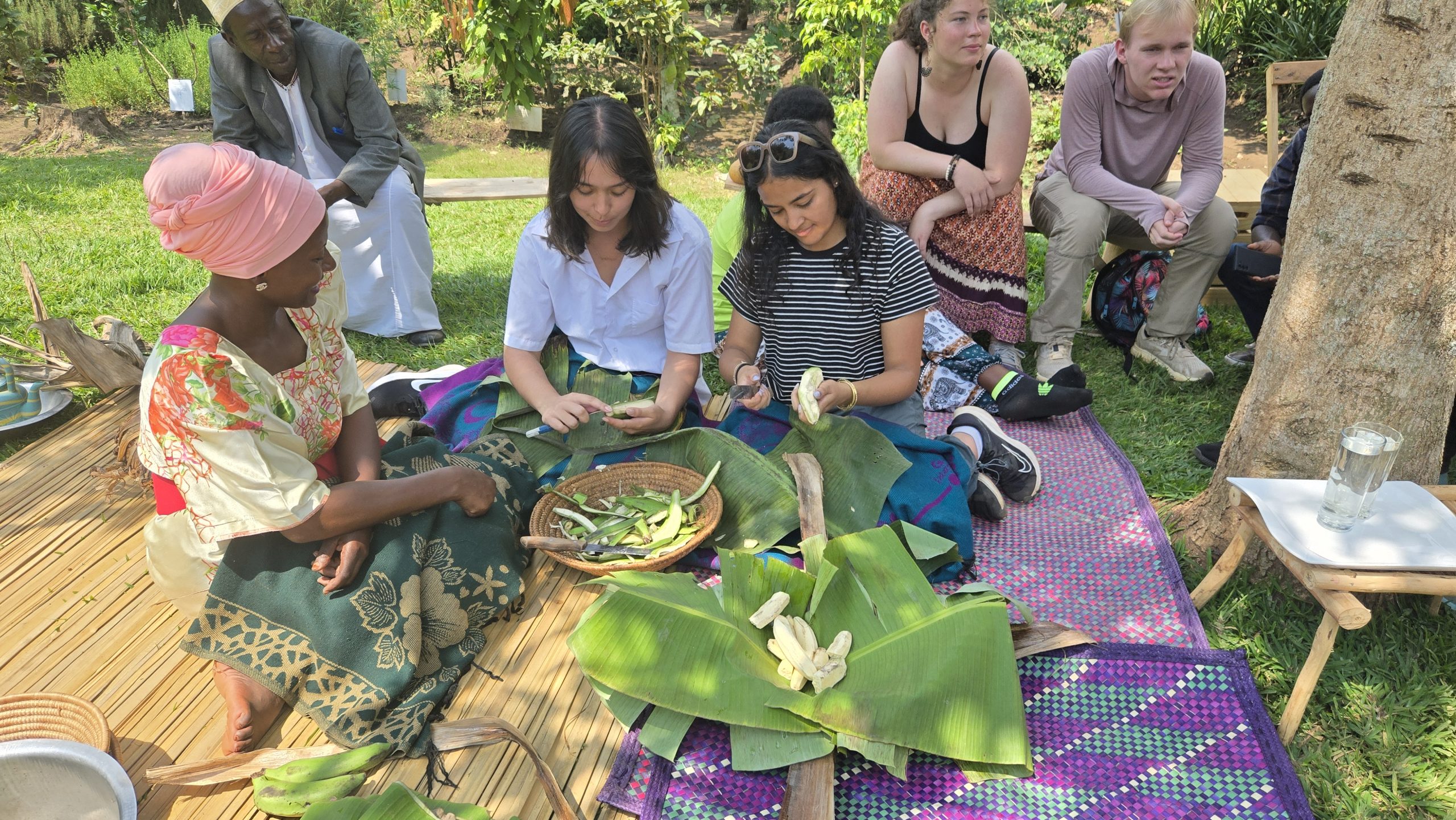
Imagine a visitor not simply viewing barkcloth but learning how it is made from start to finish. Imagine tourists participating in basket weaving workshops, drumming lessons, clan naming ceremonies, royal processions, or tasting traditional Kiganda cuisine while hearing the stories hidden behind every dish.
At the Buganda Craft Village, such ideas are already taking shape. Every Wednesday and Saturday evening, traditional performances and experiential shopping sessions are organized, allowing visitors to engage directly with artisans weaving baskets, mats, and crafting drums.
This approach mirrors successful global models.
Japan has masterfully preserved and commercialized its cultural identity without sacrificing authenticity. The Benin Kingdom and the Asante Kingdom use festivals and royal heritage as major tourism drivers. Rwanda has transformed cultural storytelling into part of its national brand identity.
Uganda — and Buganda specifically — now appears ready to join that movement.
The Untapped Gold in Events and Rituals
One of the most fascinating discussions centered around Buganda’s events calendar.
The Kabaka Birthday Run, Enkuuka, royal football tournaments, coronation anniversaries, and spiritual ceremonies already attract massive local participation. Yet speakers questioned why these events are not aggressively marketed internationally as cultural tourism products.
It was hard not to agree.
Globally, festivals drive tourism economies. Cities and kingdoms across Africa, Europe, and Asia build destination branding around annual cultural events. Buganda already has the audience, symbolism, and authenticity.
What it needs is strategic storytelling.
One speaker brilliantly noted that Uganda cannot continue waiting for outsiders to tell African stories through fictional worlds like Wakanda while real African kingdoms remain under-documented and under-filmed.
That comment lingered heavily in the room.
Because in truth, Buganda’s history already contains cinematic depth — kingship, spirituality, clan systems, sacred lakes, rituals, resilience, resistance, music, migration, architecture, and oral traditions. The material for globally compelling documentaries, films, and digital storytelling already exists.
The missing ingredient has been investment and confidence in local narratives.
Tourism, Creativity, and the Battle for Narrative
The creatives present at the dialogue perhaps delivered some of the day’s most urgent truths.
Actor and cultural advocate Nana argued that creatives are among the final defenders of culture itself. Through film, media, music, and storytelling, societies shape how the world perceives them.
He referenced how global cinema has historically shaped perceptions of countries like Russia — proof that storytelling influences geopolitics, identity, and tourism alike.
In Uganda’s case, the conversation highlighted the need for stronger partnerships between filmmakers, streaming platforms, telecom companies, and tourism institutions. Platforms like Afro Mobile were praised for creating local content distribution opportunities, including partnerships that make Ugandan films more accessible through affordable internet bundles.
This matters because tourism marketing today lives online.
A single well-produced cultural documentary, TikTok travel series, cinematic YouTube experience, or viral storytelling campaign can introduce millions of people to Buganda’s heritage faster than traditional advertising ever could.
Modern tourism is increasingly driven by digital emotion.
People travel where stories move them.
The Real Challenges Beneath the Vision
Despite the optimism, the dialogue remained grounded in difficult realities.
Several critical challenges emerged:
- Many cultural heritage sites remain undocumented and underdeveloped.
- Weak data systems make planning difficult.
- Land ownership disputes threaten historical spaces.
- Bureaucracy slows innovation.
- Cultural preservation often clashes with commercialization.
Perhaps most importantly, there was concern about losing authenticity in pursuit of profit.
One contributor wisely reminded the gathering that heritage is not only physical structures. Sometimes heritage is a tree protected for generations. Sometimes it is language. Sometimes spirituality. Sometimes ritual memory.
That reminder felt especially important in an era where tourism can easily become performative.
If Buganda’s tourism transformation succeeds, it must avoid becoming a staged imitation of itself.
Authenticity will remain its strongest currency.
Why the Future May Depend on Children
One of the most moving moments of the dialogue focused on children.
Participants emphasized that heritage preservation must begin early. If young people grow disconnected from language, rituals, crafts, and stories, cultural tourism itself eventually loses meaning.
This may be the deeper lesson behind Buganda’s emerging tourism vision.
Cultural tourism is not merely about attracting foreigners.
It is about preserving identity strongly enough that future generations still recognize themselves within it.
Programs teaching children basket weaving, drum making, storytelling, and Kiganda traditions are therefore not side activities. They are long-term investments in cultural continuity.
A Kingdom at the Crossroads of Opportunity.
As the dialogue closed, Assistant Commissioner Jimmy Andrew Kigozi emphasized that the engagement was only the beginning. The goal, he said, is to ensure cultural tourism evolves into something every Ugandan can proudly identify with.
Meanwhile, Najib Nsubuga and other kingdom stakeholders signaled openness to partnerships, innovation, and youth-driven ideas.
And perhaps that is the most exciting part of this entire conversation.
Buganda is not lacking heritage.
It is overflowing with it.
The kingdom possesses spirituality, architecture, ceremonies, royal systems, cuisine, language, music, oral histories, fashion, craft traditions, sacred geography, and living ritual. In many ways, Buganda already has what modern travellers are desperately searching for: authenticity in a world increasingly dominated by artificial experiences.
The opportunity now lies in organization, storytelling, preservation, and bold cultural confidence.
Because if culture is truly Uganda’s hidden tourism gold, then Buganda may well be the vault.