
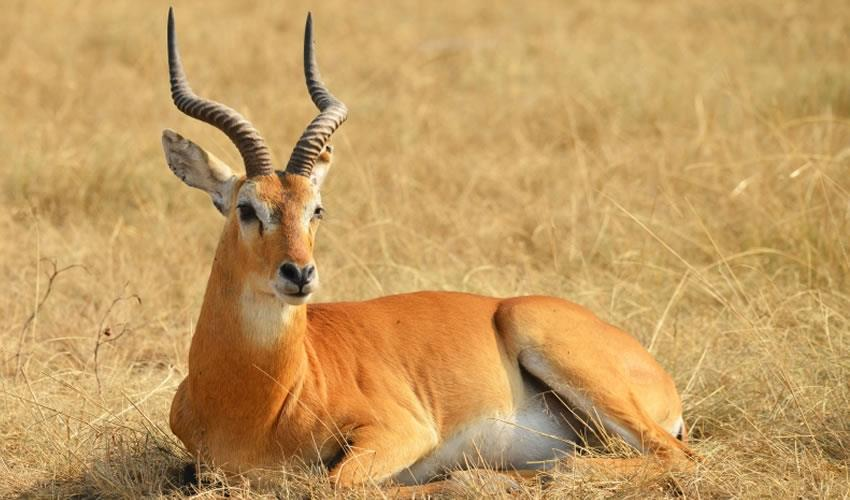
The first light of dawn had just begun to filter through the dense foliage, casting a golden hue over the vast expanse of Queen Elizabeth National Park. The air was crisp and alive with the sounds of nature waking up to a new day. As I stepped out of my tent, I felt a thrill of anticipation. Today was the day I would encounter the majestic Kobs, the elegant antelopes that have made this park their home.
Queen Elizabeth National Park, located in southwestern Uganda, is a true gem of biodiversity. Spanning over 1,978 square kilometers, it boasts an incredible variety of ecosystems, from savannahs to wetlands, and is home to a rich array of wildlife. Among the park’s many inhabitants, the Uganda Kob holds a special place. These graceful creatures are not just a sight to behold; they are a symbol of the park’s thriving natural beauty.
Our guide, a knowledgeable and passionate conservationist named Isaac, greeted us with a warm smile. His enthusiasm was infectious, and as we climbed into the safari vehicle, he began to share stories about the Kobs and their significance to the park. “The Uganda Kob is a subspecies of the Kob antelope,” he explained. “They’re known for their striking
appearance, with the males sporting beautiful, spiraling horns and a rich reddish-brown coat. The females, while lacking the impressive horns, are equally captivating with their sleek and slender build.”
As we ventured deeper into the park, the landscape opened up into a vast savannah. The early morning light bathed the grasslands in a soft glow, and in the distance, we spotted our first group of Kobs. They moved gracefully, their movements fluid and almost poetic. Isaac brought the vehicle to a halt, and we watched in awe as the antelopes grazed peacefully, completely undisturbed by our presence.
Isaac shared that the Kobs play a crucial role in the park’s ecosystem. As herbivores, they help to maintain the balance of the grasslands by grazing on vegetation, preventing overgrowth and promoting new plant growth. Their presence also supports the park’s predators, including lions and leopards, which rely on the Kobs as a vital food source. This delicate balance between predator and prey is what makes Queen Elizabeth National Park such a dynamic and vibrant ecosystem.
We spent the next few hours observing the Kobs in their natural habitat. I was struck by the sense of harmony that permeated the landscape. The Kobs moved in unison, their senses finely tuned to their surroundings. Occasionally, a male would lift his head, his ears twitching at the slightest sound, always vigilant for any signs of danger. It was a reminder of the delicate dance of survival that played out daily in this wild paradise.
Isaac shared that conservation efforts have been instrumental in ensuring the continued survival of the Uganda Kob. “There was a time when their numbers were dwindling due to poaching and habitat loss,” he said. “But thanks to dedicated conservation programs, their population is now stable and even growing. It’s a testament to what can be achieved when we prioritize the protection of our natural heritage.”
One of the most memorable moments of the day came when we witnessed a group of young Kobs engaging in playful sparring matches. The sight of these young antelopes, full of energy and exuberance, was heartwarming. They would butt heads, then leap away with boundless agility, only to return for another round. It was a reminder of the resilience and vitality of life in the wild.
As the day progressed, we visited other parts of the park, each offering its own unique beauty. We marveled at the shimmering waters of the Kazinga Channel, where hippos and crocodiles basked lazily on the banks. We explored the lush Maramagambo Forest, home to a myriad of bird species and elusive primates. But no matter where we went, the memory of the Kobs remained a highlight of our journey.
In the late afternoon, as the sun began its descent, casting long shadows across the savannah, we returned to the area where we had first encountered the Kobs. This time, we were treated to a spectacular sight. A large herd had gathered, their numbers swelled by individuals from neighboring groups. The males, with their impressive horns, stood proudly as sentinels, while the females and young grazed contentedly.
Isaac explained that this gathering was likely part of the Kobs’ breeding behavior. “The males establish territories and compete for the attention of the females,” he said. “It’s a fascinating display of strength and endurance, and it ensures that only the fittest males get to pass on their genes.”
As I watched the Kobs interact, I couldn’t help but feel a deep sense of connection to this place and its inhabitants. There was something profoundly moving about witnessing such raw and unfiltered nature. It was a reminder of the beauty and complexity of the natural world, and the importance of preserving it for future generations.
That evening, back at our camp, I reflected on the day’s experiences. The encounter with the Kobs had been more than just a wildlife sighting; it had been a journey into the heart of Uganda’s natural heritage. The grace and resilience of these antelopes were emblematic of the park itself – a place where nature thrives in all its glory, thanks to the tireless efforts of conservationists and the support of local communities.
I realized that harnessing tourism through conservation is not just a strategy; it’s a philosophy. It’s about recognizing the intrinsic value of nature and ensuring that our presence as visitors leaves a positive impact. By supporting conservation efforts and promoting sustainable tourism, we can help protect these precious landscapes and the incredible wildlife that calls them home.
As I drifted off to sleep, the sounds of the African night surrounding me, I felt a deep sense of gratitude. Queen Elizabeth National Park had given me a glimpse into a world that is both fragile and resilient, and it had reaffirmed my commitment to conservation. The Kobs, with their elegance and grace, had left an indelible mark on my heart, a reminder of the wonders that await those who venture into the wild with an open mind and a respectful spirit.