

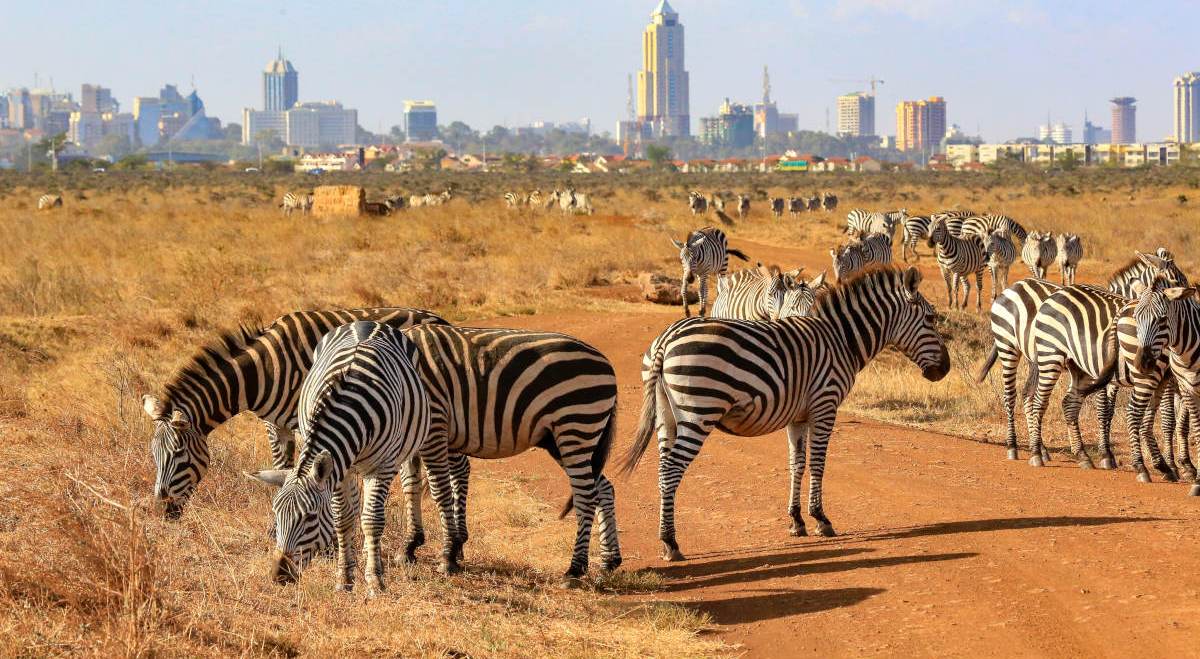
Nairobi, Kenya – After its debut in South Africa, Uber Safari in Kenya has officially been launched, marking a bold step in blending travel tech with traditional wildlife tourism. Through the Uber app, visitors can now pre-book guided game drives in Nairobi National Park, enjoying three-hour excursions during the day or at night.
The move signals a fresh chapter in Kenya’s safari story. Long known for its iconic wildlife destinations, Kenya is now embracing digital innovation to make safari experiences more accessible, particularly for domestic tourists and short-stay travelers. It reflects a larger push to connect conservation, convenience, and technology.
Yet while excitement is high, the launch raises important questions. Will Uber drivers double as professional guides? How will this affect established tour operators? And can a tech platform maintain the delicate balance between access, safety, and conservation?
What Uber Safari in Kenya Offers
With Uber Safari in Kenya, users can book directly from the app. The service provides three-hour game drives inside Nairobi National Park, one of the world’s few capital-city reserves. Vehicles are fitted for wildlife viewing, and customers can expect to see lions, rhinos, buffaloes, giraffes, and other species.
Uber has indicated that local tour operators and fleet owners can join the service, opening new earning opportunities. The rides include digital payments, real-time tracking, and reviews, factors that may modernize how visitors experience the park.
For urban residents and business travelers with limited time, this service removes barriers that often restrict wildlife tourism to longer and more expensive trips.
Youth, Jobs and Travel Tech
One of the most significant promises of Uber Safari in Kenya lies in employment. The service has potential to generate jobs for youth as drivers, guides, app support staff, fleet managers, and customer service agents. Start-ups could also innovate around safari tech, from wildlife tracking to booking add-ons.
The platform introduces accountability. GPS tracking, ratings, and feedback systems could help raise service standards. At the same time, technology could inspire younger generations to see tourism not just as guiding, but also as innovation, design, and digital entrepreneurship.
By merging wildlife tourism with mobile technology, Uber is signaling that safaris can evolve with changing consumer habits.
Challenges and Open Questions
The most pressing concern is guiding. Safari guiding is a professional skill requiring training, permits, and ecological knowledge. Can every Uber driver provide that expertise? If not, will customers still need to book guides separately?
Another issue is regulation. Safaris involve park fees, insurance, and compliance with wildlife authority standards. How will Uber ensure its operations align with conservation rules and safety protocols?
Tour operators are also watching closely. Many build packages that include transport, accommodation, meals, and personalized guiding. If tourists book directly through the app, will operators lose business, or will new partnerships emerge?
Even customer expectations could prove tricky. Wildlife sightings are never guaranteed, and night drives demand stricter safety measures. Ensuring guests understand the unpredictability of nature will be key to avoiding disappointment.
Why It Matters for Kenya’s Tourism
Uber Safari in Kenya demonstrates how innovation can expand tourism access. By providing shorter, more affordable wildlife experiences, the service can attract domestic travelers and new segments of visitors. It also signals to the world that Kenya is unafraid of experimenting with digital solutions in traditional industries.
The initiative may also encourage cross-sector collaboration. Fleet owners, youth entrepreneurs, local guides, and conservation bodies could all benefit if the model is implemented responsibly. For a sector still recovering from global travel disruptions, this injection of creativity could be transformative.
Conclusion: Kenya Leads by Example
Kenya has once again shown leadership in re-imagining tourism. Uber Safari in Kenya blends wildlife with technology, bringing the savannah to the fingertips of urban dwellers and visitors. The service challenges tradition, but it also opens doors to jobs, innovation, and greater access.
If carefully managed, Uber Safari could complement tour operators, empower youth, and expand conservation support. Its success will depend on balancing digital convenience with professional guiding and ecological responsibility.
For now, Kenya deserves its flowers. The country continues to set the pace for tourism innovation in East Africa. Other nations would do well to watch, learn, and benchmark.
By Irene Allen Namisango