
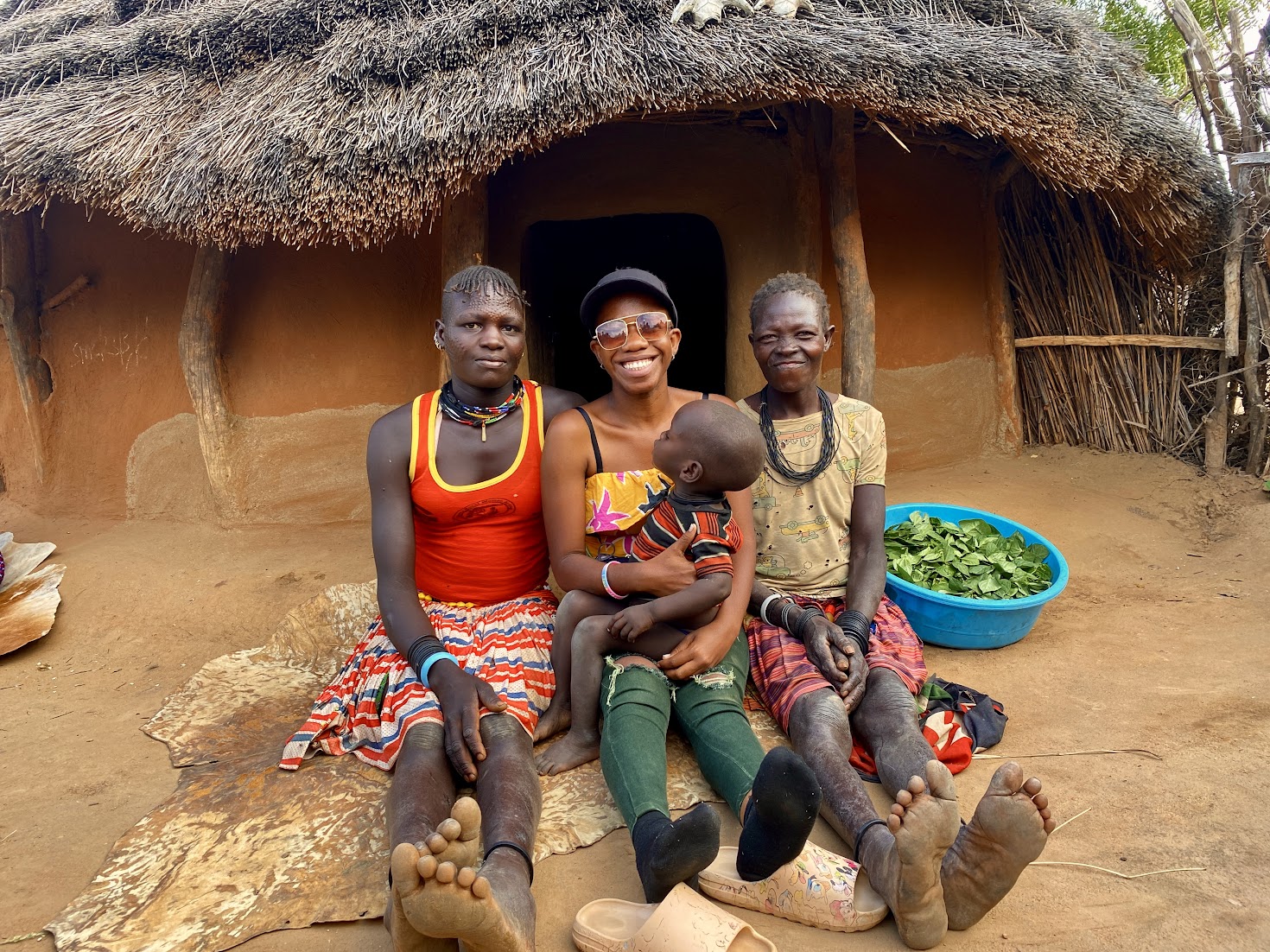
Travel has always been a part of my soul. From a young age, I loved the idea of discovering new places and experiencing life through different cultures. You could wake me up in the middle of the night, tell me about a 6 a.m. trip, and I’d be ready without hesitation—unless, of course, I had another trip already planned.
There’s something about the road that pulls me in, a healing I find in the rhythm of traveling, the freedom it offers, and the opportunity to escape, even if just for a while, from the struggles, worries, and disappointments of daily life.
Though I have always loved traveling, I’ve spent every Christmas surrounded by family. I’d much rather spend the day with my 8-year-old nephew, doing nothing but watching cartoons with him, while my siblings are by my side and my dad is right there. We’d exchange small gifts and enjoy a meal together. These simple traditions have always meant the world to me. But everything changed one year when I met the Jie, and this Christmas, I wish to spend it with them
My Eye-Opening Adventure in Karamoja
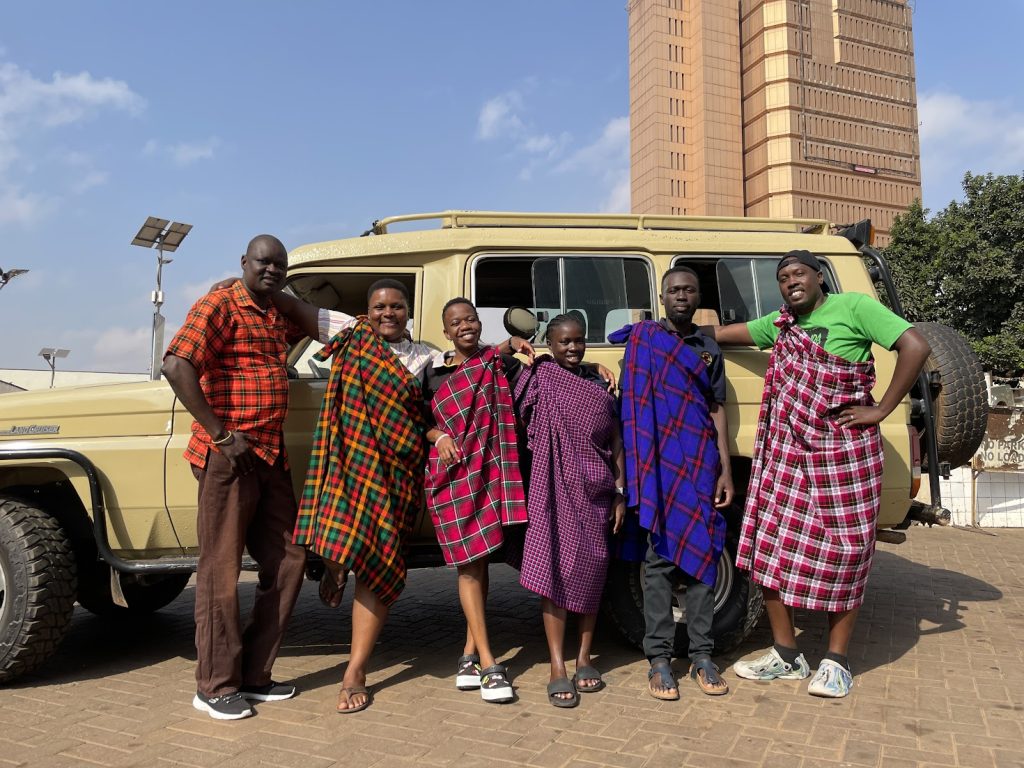
It was June 2023 when I first ventured into Uganda’s Karamoja region with Kara-Tunga. The trip was like no other. Seven days of exploring a part of Africa I had only heard about in passing. The excitement was palpable from the moment I stepped foot in the region. I had visited Kidepo Valley National Park before, but that was a short trip focused on wildlife. This time, however, I had the chance to explore the culture that made Karamoja so unique.
Uganda is known as the “Pearl of Africa,” and for good reason. Its landscapes are vast and varied, from lush savannahs and sprawling lakes to the towering peaks of the snow-capped Rwenzori Mountains. The Nile River, the longest in Africa, flows gracefully through the country, adding to its allure. These natural wonders are what most people associate with Uganda, and rightfully so. But what truly captured my heart is our diversity of cultures.
In university, when I first learned that the country has 56 tribes, I thought of it as just an interesting statistic. But during my seven days in Karamoja, I realized how deeply this number mattered. Uganda is a nation of incredible cultural depth, and Karamoja, in particular, felt like a place out of time. The region has been shaped by political instability, which has hindered its development. Yet despite this, Karamoja remains one of Uganda’s most untapped treasures, both in terms of its breathtaking landscapes and its rich cultural history.
Karamoja is not what most people imagine when they think of East Africa. While its natural beauty is undeniable, it’s the people that make the region extraordinary. The Pokots, the Jie, the Tepeth, the IK, the Toposa, the Dodoth, and the Kjongs—each tribe has its own history, traditions, and ways of life. But it was the Jie, in particular, who left an indelible mark on my heart. Their strength, simplicity, and deep-rooted beliefs made me realize that, for this Christmas, I wanted to be with them, in Nakapelimoru.
A day in Nakapelimoru among the Jie
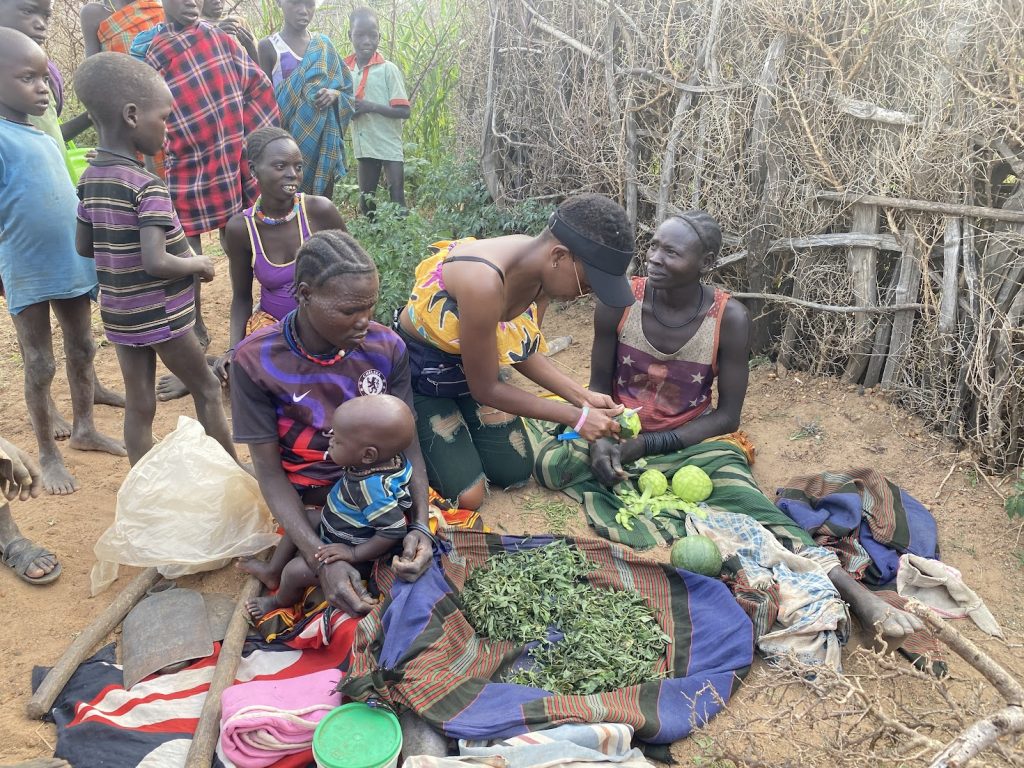
Nakapelimoru is the largest village in East Africa, home to the Jie people. The village is situated in the heart of Karamoja, surrounded by hills and valleys that seem to stretch endlessly. The air feels fresher here, as if untouched by time. James, a local guide, accompanied me as we ventured through the village. As we walked, he shared stories about the Jie that painted vivid pictures of their way of life.
The Jie speak Karamajong, a language shared by the tribes of the Karamoja region, including the Mathenikos and Dodoth in the north and the Turkana in the east. James explained that the word “Jie” means “war,” a reflection of their history as fierce warriors. Their lives are deeply intertwined with the land and animals, and everything they do is shaped by a sense of honor and tradition.
One of the first things I noticed as we wandered through Nakapelimoru were the marks on the foreheads of the Jie men. These marks are an important symbol of their identity. A ritual knife is used to carve the marks, which are buried after each use. At around eight years old, every child undergoes a detox ritual that is considered a rite of passage. The Jie also have a fascinating belief: they say a god-chosen person is born without a tooth. These rituals and beliefs aren’t just traditions; they define who the Jie are and how they live.
What struck me most, however, was the role of the elders in Jie society. The village’s decisions are made by a council of elders, who are revered not just for their age but for their wisdom. They must come from the elephant clans, a group of warriors believed to have been born with the strength of elephants. If an elder has ever killed an elephant, all their followers are considered eligible to lead. This deep reverence for elephants and strength speaks volumes about the values of the Jie people.
The Jie’s history is deeply tied to the land they inhabit. Long ago, wild animals roamed freely through the community, and those who could kill such animals were highly respected. In fact, they were often brought into the council of elders as a reward for their bravery. The Tepeth, the original inhabitants of Nakapelimoru, fled to the top of Mount Moroto to escape the Khongs, a neighboring tribe that sought to take over the village
Cattle, Wealth, and Marriage: The Pillars of Jie Life
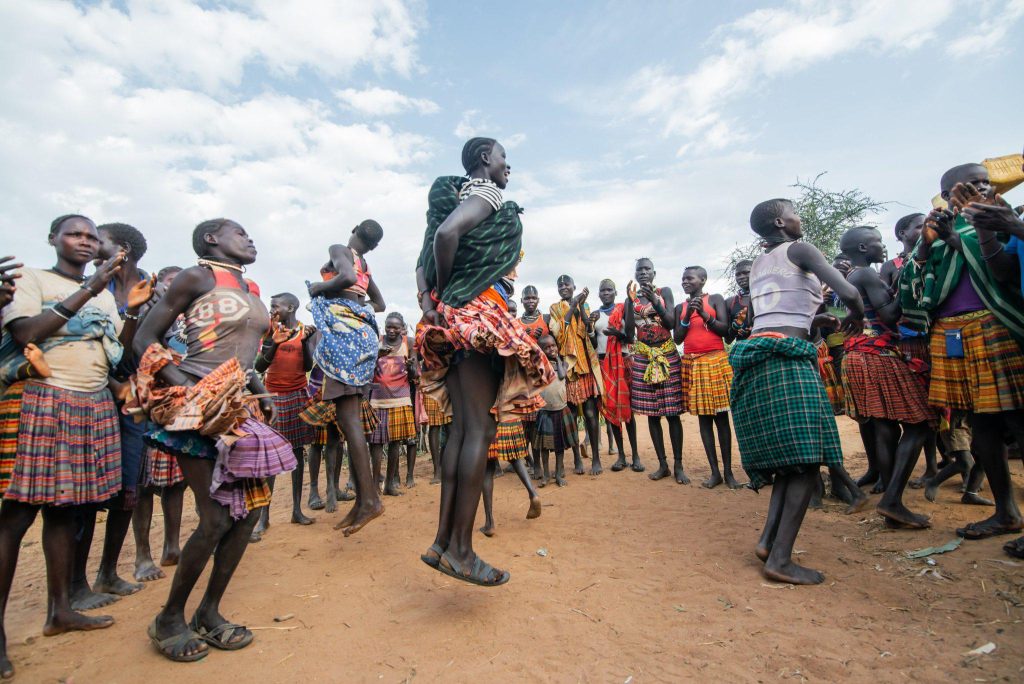
The Jie believe in many gods, with Akuji being the most revered. Akuji, they say, is the creator of all things, including cows, and they cannot imagine life without them. To the Jie, cows are more than just livestock; they are a direct link to the divine.
Marriage within the Jie community is a reflection of their deep connection to cattle. The number of cows a man possesses determines his ability to marry, and polygamy is common. If a man only has one wife, he holds little power in the community. This practice has been in place for generations and remains a significant aspect of Jie society.
The dowry system within the Jie is also unique. A man must pay around 30 cows to marry, but if he cannot afford it, he can pay three cows for every child his wife bears. This arrangement buys him time to gather the full dowry. If the dowry is not paid, the wife is taken back by her family, but the children remain with the husband, a stark reminder of the community’s values surrounding cattle and family.
As James led me through the village, he told me about the long-standing wars with the Mathenikos, the Turkana, and other neighboring tribes, often fought over cattle or water sources. Mount Toror, nearby, is a significant place where elders once gathered iron ore to craft weapons like spears for battle. These weapons were crucial in the centuries-long struggles for survival in a harsh environment.
Life’s Struggles in Nakapelimoru Village
Despite their strong traditions, life in Nakapelimoru is not without its challenges. Water is scarce, and clean drinking water is hard to come by. Diseases like malaria are common, and famine remains a constant threat. Sorghum is their staple food, but finding enough to eat is always a struggle.
The Jie’s beliefs about cleanliness are also tied to their way of life. Toilets are not widely used because certain cultural beliefs prevent them from sharing things like latrines. In their worldview, such practices are too personal and should be kept within the family.
As I spent more time in Nakapelimoru, I began to understand why this place had captured my heart. It wasn’t just the beauty of the land or the uniqueness of the culture—it was the Jie’s way of life that spoke to me on a deeper level. Their connection to the earth, their unwavering beliefs, and their sense of community felt like something out of a storybook, and I couldn’t help but feel a deep longing to return.
Imagining Jie Christmas Traditions: Questions That Cross My Mind
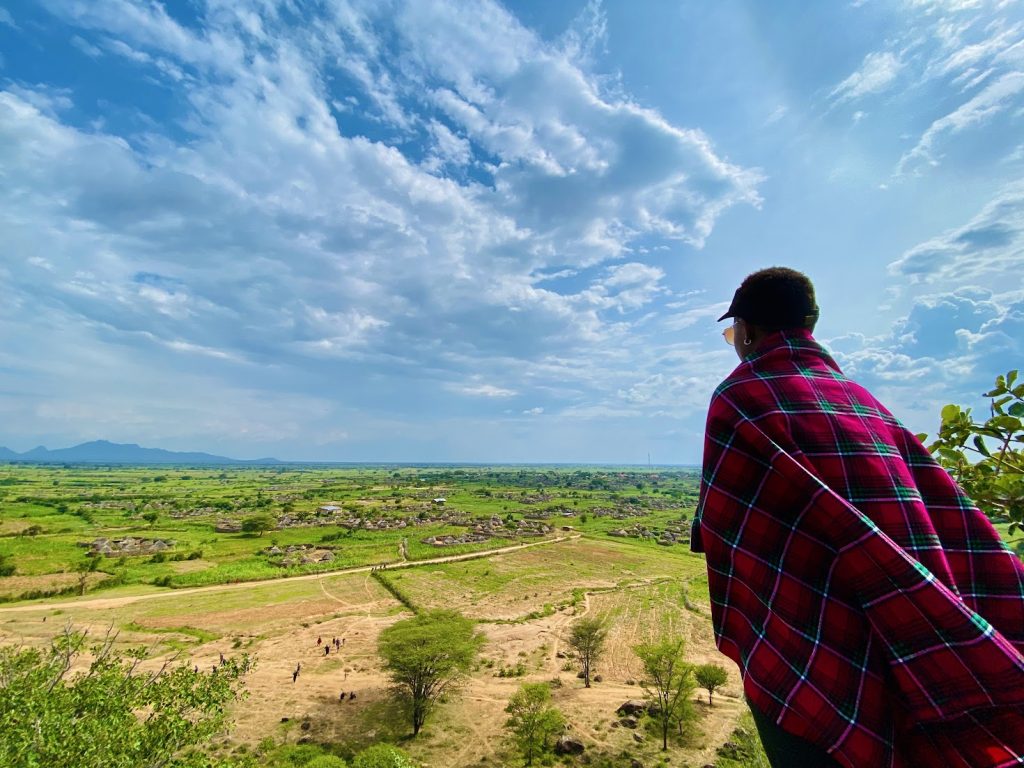
This Christmas, I wish to be with the Jie, to experience their way of life firsthand. To spend time with people who have lived for generations according to traditions that have stood the test of time. There is something profoundly beautiful about their simplicity and their connection to the land, but some questions keep running in my mind.
What would Christmas look like for the Jie? Do they even know the holiday or believe in it? Would they celebrate it in the same way as we do, or would it be a day marked by their own customs and rhythms? Would they buy new clothes for the occasion, or is that a tradition reserved for other special events? Would there be a festive meal prepared, something heavier than the usual sorghum, perhaps a roasted goat or cattle, to mark the occasion?
Do they decorate Christmas trees, or is their form of celebration rooted in something more fundamental, like the worship of their many gods, including Akuji, the creator? Would they gather as a community, offering prayers, or is their worship more personal, a daily ritual tied to their connection with the land, cattle, and the spirits?
How would a polygamous Jie man spend his Christmas day? Would he choose to stay with his eldest wife, or would he rotate between his different homes, spending time with each wife and their children? Would the families come together in unity, perhaps sharing meals and stories, or would there be a certain balance to maintain among the wives?
And what about their village gatherings—would they sing unique carols, songs passed down through generations that speak of their history, culture, and beliefs? Or is Christmas simply another day in the life of the Jie, one that passes with little fanfare, marked more by the rhythm of their daily survival than by the joy and celebration we associate with the season? Would they still celebrate, if not Christmas, something that marks the same spirit of togetherness and gratitude?
It’s a way of life I feel I need to witness, to understand, and to be a part of, even if just for a while. For me, that would be the perfect Christmas gift, a chance to connect with a people whose values and way of life resonate deeply within me.