

Every once in a while, a country does something that makes people stop, pack their bags, and look at its treasures with new eyes. UWA Open Park Days is that moment for Uganda.
From 25th to 27th September 2025, the gates to Lake Mburo, Murchison Falls, Kidepo Valley, and Queen Elizabeth National Parks will swing wide open, inviting the public to step into the wild without paying entry fees.
Imagine lion calls echoing in the distance, golden sunsets painting the horizon, and the thrill of being part of something bigger than just a trip. This isn’t just a tourism gesture; it’s a bold move, one that turns conservation into a shared public adventure, celebrating identity, sparking curiosity, and deepening the bond between nature and community
Why UWA Open Park Days Matter Now
Timing is everything, and UWA couldn’t have chosen a better moment to launch Open Park Days 2025. With travel regaining its pulse and young people craving meaningful adventures, the initiative creates a platform where nature, culture, and lifestyle collide.
Uganda’s savannah parks, Murchison Falls, Queen Elizabeth, Kidepo Valley, and Lake Mburo are not just landscapes; they are living theatres of wild drama. They hold elephants marching across plains, leopards draped on fig trees, hippos grunting at dusk, and birdlife that turns the sky into a festival of wings.
But beyond the beauty lies strategy. By waiving park entry fees for Ugandans, UWA is removing barriers that have long made national parks feel out of reach for ordinary citizens. It’s a push to normalize travel, to encourage locals to experience firsthand what international visitors fly thousands of miles to see. And when locals connect with these spaces, conservation stops being a distant campaign and becomes a personal responsibility.
The Ultimate Squad Getaway

Travel is more fun with friends, and UWA Open Park Days is designed for exactly that. These parks offer the perfect canvas for group adventures. Think road trips with windows down, playlists blasting, and laughter bouncing around in a van headed north to Murchison. Think group selfies at the equator line on the way to Queen Elizabeth, or a sunset bonfire at Lake Mburo’s campsites, where conversations stretch longer than the night.
Open Park Days shift travel from being a luxury to being a lifestyle. For young people, it’s no longer just about visiting a national park, it’s about creating shared memories, squad stories, and travel traditions. The parks become more than destinations; they become meeting points of community, friendship, and collective adventure.
Insta-Worthy Moments and Wildlife Magic
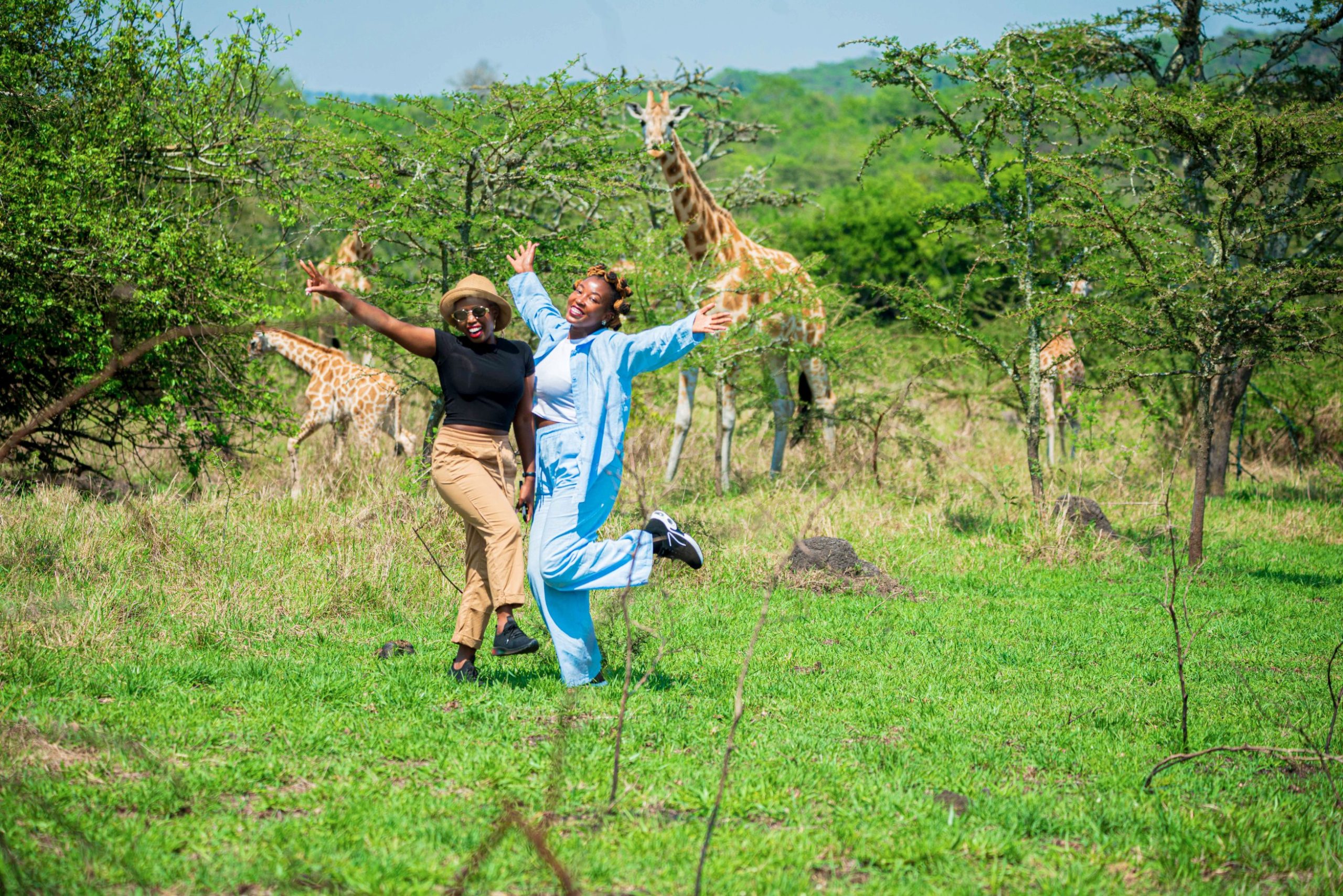
Let’s be honest: an adventure only becomes real once it’s captured. UWA Open Park Days are tailor-made for the lens, whether it’s the wide-angle sweep of elephants crossing in Kidepo or a dramatic shot of the Nile exploding at Murchison Falls. These parks are nature’s original Instagram feeds, and every trail, every lookout, every sunrise comes with a frame waiting to be captured.
But it’s not just about likes. Wildlife encounters hit differently when you’ve stood just meters away from a lion pride or watched giraffes glide across the savannah like moving sculptures. The thrill is real, raw, and unforgettable.
And it’s experiences like these that spark deeper conversations about conservation, why these animals matter, why these spaces must be protected, and how tourism fuels the cycle of care.
Gig Opportunities and Youth Inclusion
Travel isn’t only about explorers; it’s also about the hustlers who make the journeys possible. UWA Open Park Days are creating a ripple effect that’s opening doors for youth across the tourism value chain. Tour companies, once catering largely to foreigners, now have a new audience to design packages for, affordable, local-friendly adventures that include transportation, guides, and camping options.
Hotels, lodges, and even homestays around the parks are cashing in too. The influx of local travelers translates into full rooms, busy restaurants, and vibrant cultural exchanges. Communities living near the parks, from craft makers to boda riders find fresh business opportunities during these days.
For many young people, this is more than leisure; it’s employment, gigs, and entrepreneurship sparked by a simple idea of accessibility.
Sustainable Vibes: Travel That Cares
Adventure is cool, but adventure that cares is even cooler. UWA Open Park Days are more than free passes, they’re lessons in eco-conscious travel. As the gates open, visitors are learning to tread lightly: carrying reusable bottles, minimizing plastic, and respecting the wild spaces that welcome them. This isn’t just travel; it’s a movement towards responsible exploration.
Young travelers are increasingly aware that their footprint matters, and Open Park Days are shaping the culture of sustainable tourism in Uganda. From carpooling to campsites to choosing eco-lodges, this initiative is teaching a generation how to travel with conscience while still chasing thrills.
Why This Initiative Is Bold and Wild
At its heart, UWA’s decision is daring. Governments rarely open the gates to their most valuable assets without expecting immediate returns. Yet here, the payoff is long-term and visionary. By inviting Ugandans to experience their own parks, UWA is investing in national pride, in collective conservation, and in an economy that thrives when its people move.
The wild is no longer a postcard for foreigners; it’s a playground for Ugandans. And that shift from watching the wilderness through the lens of others to experiencing it directly changes everything. It creates storytellers, influencers, business opportunities, and above all, citizens who see themselves as stakeholders in conservation.
My take
AT the end of these three unforgettable days, one thing will be clear: UWA Open Park Days is more than a free pass, it’s a movement. It connects conservation to everyday life, invites the public to claim ownership of their wild spaces, and proves that nature is at its best when it is shared.
For Uganda, this is not just about opening parks; it’s about opening minds, businesses, and communities to the power of conservation.
And for the public, it’s a reminder that the wild isn’t out there, it’s ours, here and waiting.
By Irene Allen Namisango