
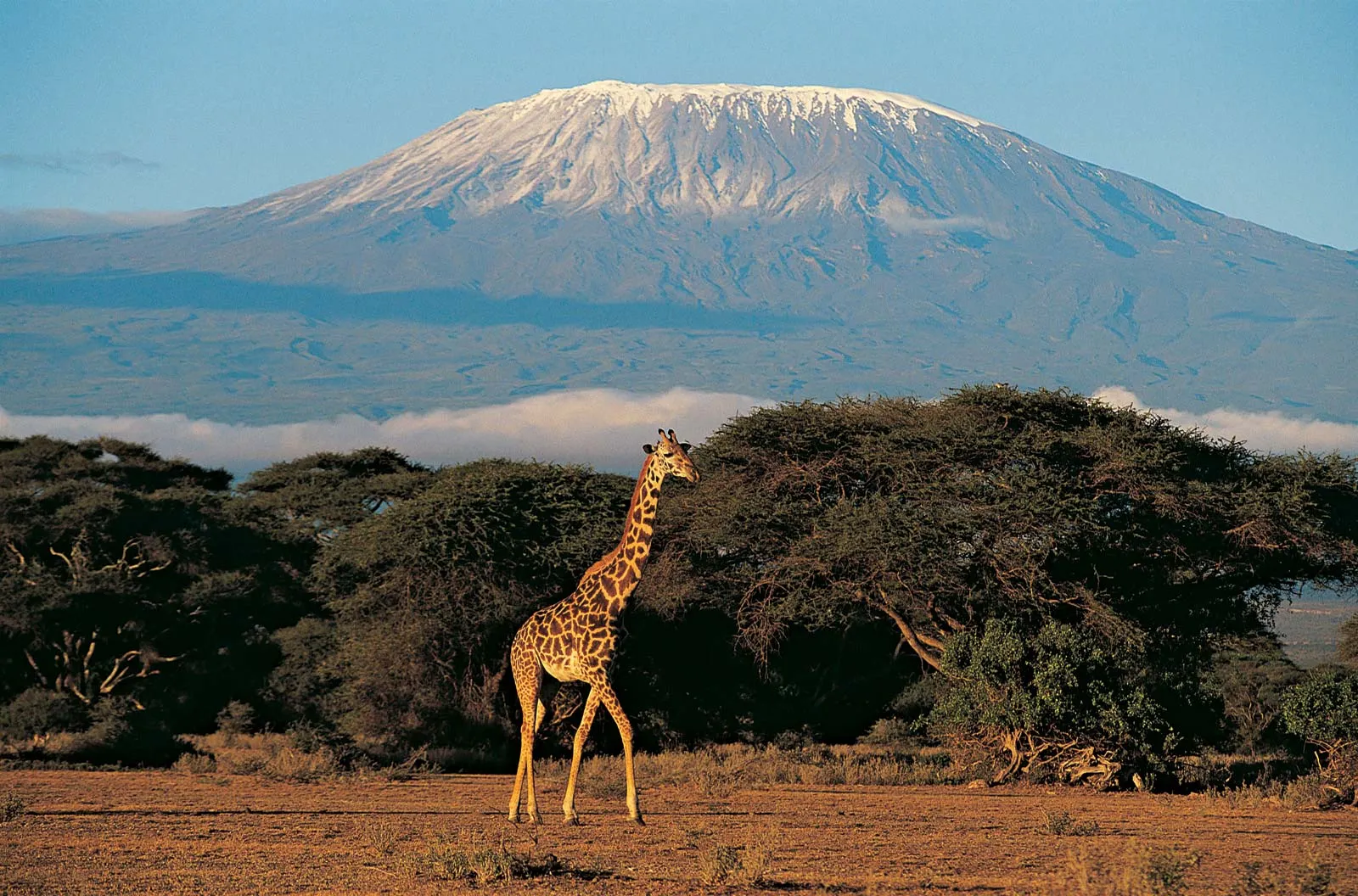
Have you been dreaming of seeing the Serengeti, witnessing the wildebeest migration, or relaxing on the pristine beaches of Zanzibar, but every time you check prices, your heart sinks? Don’t give up just yet. What if I told you that Tanzania can be explored on a budget, and comfortably too at that?
If you’re a budget-conscious traveler who loves adventure, nature, and culture, keep reading. This guide will highlight the cheapest time to visit, with fewer crowds, and a beautifully green landscape. And no, this isn’t about cutting corners or missing out. It’s about smart travel choices.
The low season
The cheapest time to visit Tanzania is literally the low season. This happens from March to May, the best-kept secret in Tanzania’s tourism calendar. While others shy away from the long rains, you could be landing flight deals, sleeping in luxury lodges for budget prices, and exploring national parks without a traffic jam of safari vans.
From March to May, prices drop like rainfall in the Serengeti. Flights? Cheaper. Accommodation? Often slashed by half. Even guided tours become more flexible and affordable. Hotels and camps are eager for guests, and travelers who show up in this season are often rewarded with warm service, room upgrades and many more incentives.
Personalized safari experiences.
Imagine yourself standing at the edge of the Ngorongoro Crater with no noise, no camera flashes, just you, the mist, and the sound of nature. That’s the beauty of the low season. Popular parks like Serengeti, Tarangire, and Manyara are almost empty.
You’ll often have wildlife sightings all to yourself. The rains turn the land into a lush, vibrant paradise. Grasses stretch tall, trees blossom, and rivers brim with life. For photographers and nature lovers, the scenery is a dream. Green hills, dramatic skies, and sunsets that feel like oil paintings.
This is prime time for bird lovers. With food in abundance, wetlands and forests come alive with birdsong and flashes of color. You’ll spot everything from flamingos to kingfishers to migratory birds passing through from other continents.
The low season encourages slower travel and that’s a blessing. Without the pressure of tourist crowds, you can stay longer in one spot, take your time, and connect more deeply with the place, the people, and the wild.
Cheapest but not the best
It wouldn’t be fair to talk only about the perks. The low season does come with its own set of challenges. But if you know what to expect, you can still enjoy every moment. Yes, It Rains. Often. We’re not just talking about a light drizzle. It pours. Sometimes for an hour. Sometimes all afternoon. This can delay activities, especially if you’re planning to cover a lot of ground in one day.
Some national parks, especially the more remote ones, become difficult to access. Roads can be slippery or flooded, and travel times may double. If you’re renting a car, make sure it’s a 4×4, don’t forget to pack your patience.
Some Lodges also close temporarily. Smaller lodges or tented camps in flood-prone areas often shut down during these months. It’s not because they’re poor quality. It’s simply not sustainable to stay open with fewer guests. So always double-check which facilities are operating before you book.
The green, lush terrain is beautiful, but it can make spotting animals trickier. Predators like cheetahs and leopards blend into the tall grasses, and some game drives might move deeper into the bush. You’ll need a sharp-eyed guide, but hey, that’s part of the adventure.
The high season
Now let’s talk about the time everyone wants to come to Tanzania. And we get why. Perfect weather, perfect views. The high season runs from June to October. It is known for clear skies and dry roads, travel becomes smooth and sunny. It’s ideal for game drives, hiking, and soaking in every view without worrying about rain clouds.
June to October is the season to witness one of the most dramatic wildlife spectacles on earth, the great wildebeest migration. If you’ve ever wanted to see them cross the Mara River, this is your chance. The drama, the dust, the crocodiles. It’s like a live nature documentary.
With demand so high, prices climb. Flights are expensive, lodges are fully booked months in advance, and safaris cost more. Plus, the popular parks get crowded. Sometimes, a single lion sighting will attract five or more vehicles full of tourists. If you don’t mind spending and are okay with sharing the experience with hundreds of others, high season can be amazing. But for those watching their coins or craving quiet, it’s not the best fit.
The shoulder season
If you’re looking for a middle ground, good weather, fair prices, and fewer crowds. Then the shoulder season is your perfect match. This is the smart traveller’s sweet spot! This season takes place just before, or just after the high season. Prices dip from the high season, but don’t crash like in March. It’s a reasonable window where you can still find deals without sacrificing comfort. Many lodges run attractive packages to encourage early holiday travelers.
The short rains may begin in November, but they’re less intense than the long rains. You might get an hour of showers in the evening, then wake up to a bright, blue sky. This is another peak for birding. Thousands of birds from Europe and Asia land in Tanzania, transforming wetlands into colorful stages of flutter and song. Bring your binoculars, you won’t want to miss this.
Tourist numbers are still low, and you can move around with ease. Whether you’re exploring Zanzibar, trekking through Usambara Mountains, or taking a hot air balloon over Serengeti, you’ll feel like you have the whole place to yourself.
Conclusively
Traveling to Tanzania doesn’t have to be a “someday” plan. With the right timing, it can be your next adventure. If you want incredible savings, lush views, and fewer people, take a chance on the low season. If you’re chasing classic safari weather and iconic wildlife action, the high season is yours, but be ready to pay for it. And if you’re a savvy traveler who wants the best of both worlds? The shoulder season might just be your travel jackpot.
Tanzania waits for no one. The lions still roar, the wildebeest still run, and the sun still sets over Mount Kilimanjaro, whether it’s March or October. So pick your season, pack your bags, and go live your African dream, which is just an email away!