
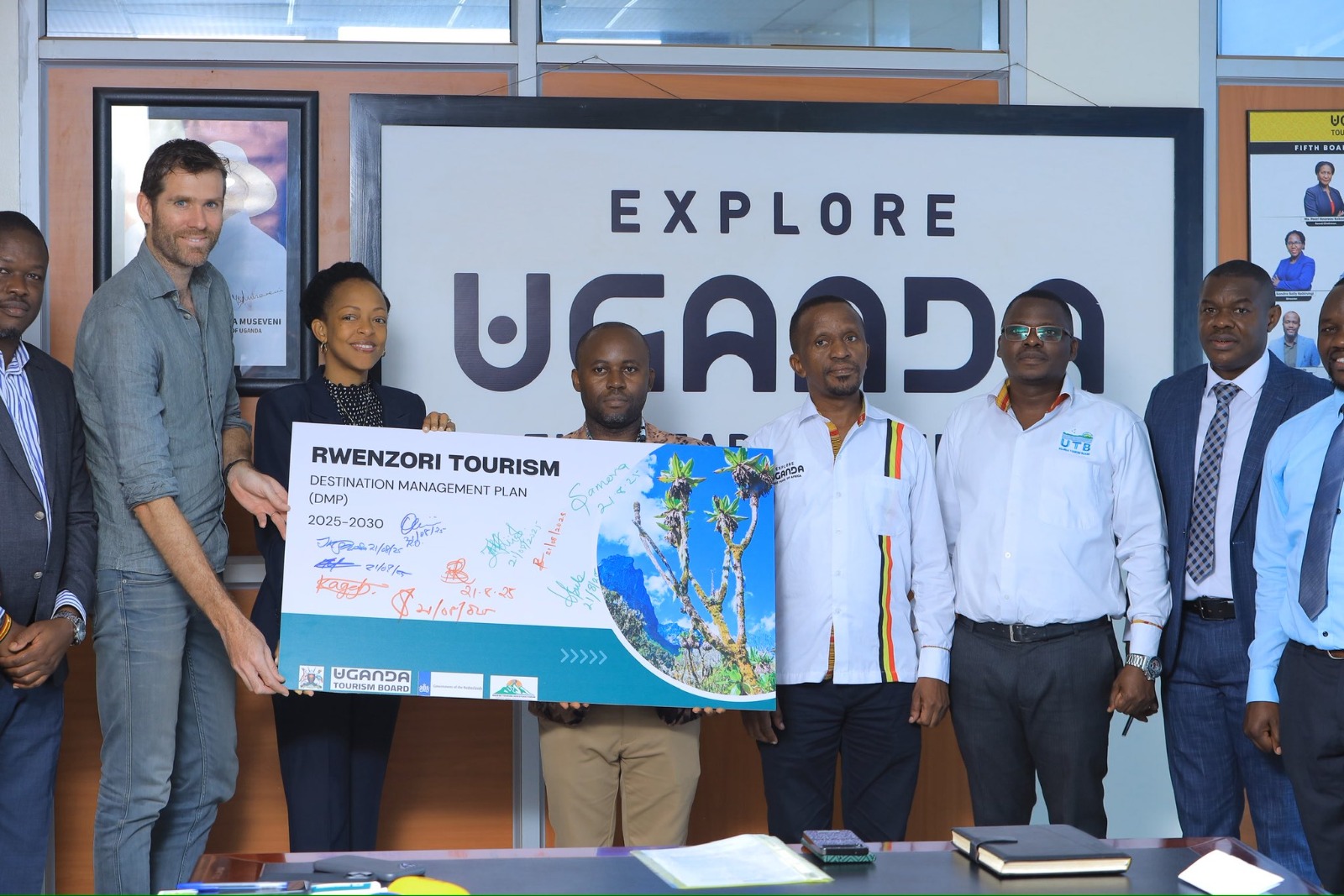
In a bold move to position one of Uganda’s most iconic natural landmarks, the Uganda Tourism Board (UTB), in collaboration with key stakeholders from both the public and private sectors, officially launched the Rwenzori Tourism Destination Management Plan (TDMP) at its headquarters. The event marked a defining moment in the country’s tourism strategy, signaling a shift towards inclusive, sustainable, and community-centered tourism development.
A Vision for Transformation
During the launch, UTB’s Head of Public Relations, Dr. Gessa Simplicious, introduced the plan alongside UTB’s Chief Executive Officer, Ms. Juliana Kagwa. The launch also featured officials from the Ministry of Tourism, Wildlife and Antiquities, representatives from the private sector in Kasese District, and development partners from the Centre for the Promotion of Imports from Developing Countries (CBI), represented by Mr. Martjin Harlaar. The TDMP forms a critical pillar under the Transforming Uganda Tourism Project, which aims to strategically unlock the country’s tourism potential.
Mr. Kizza Alexander, representing the private sector in Kasese, described the plan as a timely and much needed intervention. He noted that for years, the Rwenzori region had been held back by inadequate infrastructure, poor visibility, and fragmented coordination among tourism actors. He commended UTB and the government for expanding the focus beyond national parks to include the communities, guides, and businesses that form the backbone of tourism ecosystems.
Kizza added that the TDMP is not just a paper plan, it is a blueprint that directly addresses the needs of the people on the ground. By 2030, he revealed, the plan envisions training more than 3,000 locals in tourism and hospitality, with a special focus on empowering women and youth. He also called on the private sector to rise to the occasion by investing in high-quality accommodation, homestays, and destination branding that meet international standards.
Global Support for Local Potential
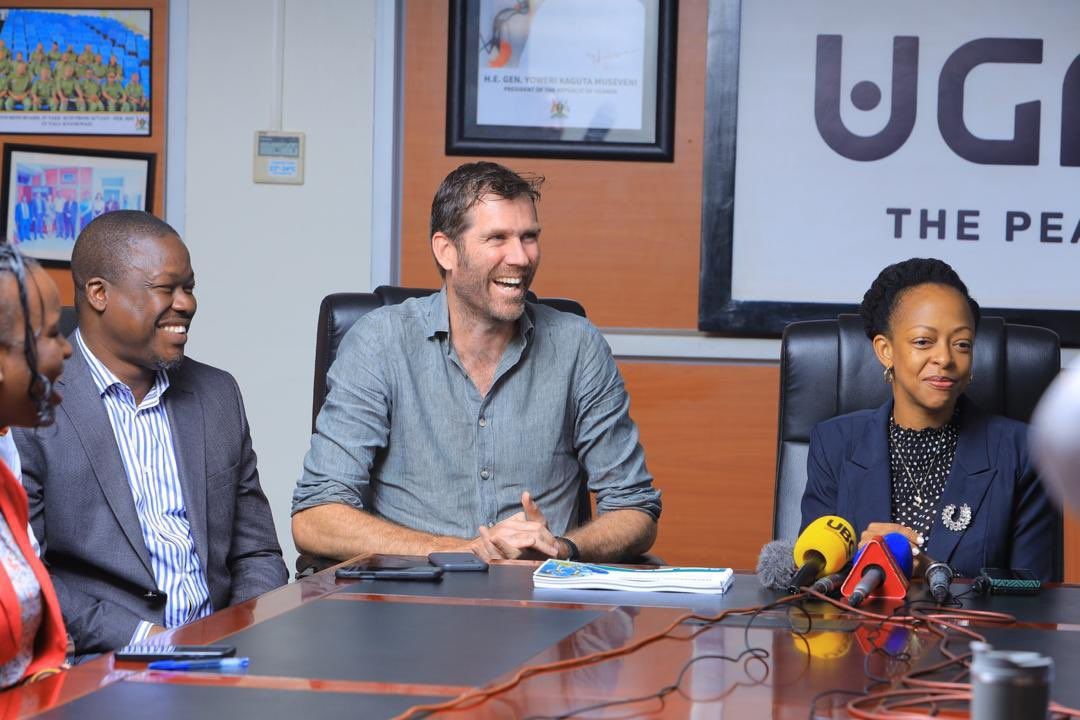 Mr. Martjin Harlaar, speaking on behalf of CBI, reaffirmed the organization’s commitment to supporting the Rwenzori TDMP through a comprehensive approach involving capacity building, product diversification, and access to international markets. He explained that CBI’s involvement ensures that the plan aligns with global best practices and that the Rwenzori is well-positioned as a leading destination for eco-tourism, adventure seekers, and cultural travelers.
Harlaar also shared that CBI is actively working with UTB to develop Uganda’s national destination marketing strategy for the next five years. Drawing comparisons to successful initiatives in Karamoja, he expressed confidence that the Rwenzori region is primed for even greater impact.
Unlocking the Mountains of the Moon
In her address, UTB CEO Juliana Kaggwa spoke passionately about the unparalleled uniqueness of the Rwenzori Mountains globally recognized as the “Mountains of the Moon.” She described the region as a hidden gem of snow-capped peaks, glaciers, rich cultural heritage, and unmatched biodiversity. Kaggwa explained that the TDMP provides a structured framework to harness these natural and cultural assets by improving visitor experiences, diversifying tourism offerings, and ensuring that surrounding communities benefit meaningfully from tourism growth.
She further explained that UTB had conducted a detailed visitor flow analysis to understand what drives travel into the region. This research identified five key traveller profiles that are expected to shape future tourism trends in the area: organized group safaris, domestic weekenders, birdwatchers, mountaineers, and festival-goers.
According to Kaggwa, the plan’s long-term success will depend on a strong alliance between the public and private sectors, well-designed products, and coordinated branding strategies. All of these elements tie directly into Uganda’s broader Vision 2040, which seeks to increase tourism’s contribution to the national GDP to at least $50 billion.
Government Endorsement and Community Impact
 Ministry of Tourism, Wildlife and Antiquities also reiterated its support for the TDMP, framing it not merely as a tourism initiative but as a vehicle for inclusive development. A ministry representative stressed that the plan reflects the government’s belief in the power of communities to collaborate with national institutions for shared progress. The ministry pledged to continue investing in essential infrastructure, safety enhancements, training programs, and the preservation of both natural and cultural heritage across the Rwenzori corridor.
At the launch, journalists raised questions about how the plan would address ongoing concerns such as poor accessibility, inadequate service standards, and visitor safety. In response, UTB officials assured the public that the TDMP was developed precisely to address these concerns in a comprehensive manner. They also pointed out that the plan is designed to attract private investment into modern accommodation, guiding services, and logistics to meet evolving visitor expectations.
A Future on the Global Map
In her closing remarks, Juliana Kaggwa extended her appreciation to all development partners, private tour operators, and district leaders from Kasese, Fort Portal, Bundibugyo, and Ntoroko. She emphasized that the Rwenzori Tourism Destination Management Plan is a result of collective effort, shared vision, and the tireless contributions of many players behind the scenes.
Kaggwa reaffirmed UTB’s belief in the Rwenzori’s immense potential to become a world-class destination, and described the TDMP as the key to unlocking that potential while uplifting the people who call the region home.
Now formally launched, the Rwenzori TDMP signals a new era for tourism in western Uganda.
Stakeholders expressed optimism that the region will gain traction not only among mountaineers and adventure travellers but also among cultural tourists, birding enthusiasts, and domestic holidaymakers. More than just a strategy, the plan is a bold commitment to transforming the Rwenzori into a leading model of sustainable tourism development, one that celebrates nature, supports communities, and positions Uganda confidently on the global tourism map.