
By Dr. Jimmy Opigo
Entrepreneur, Tourism Expert, & CEO, Arra Lodges
A Historic Homecoming
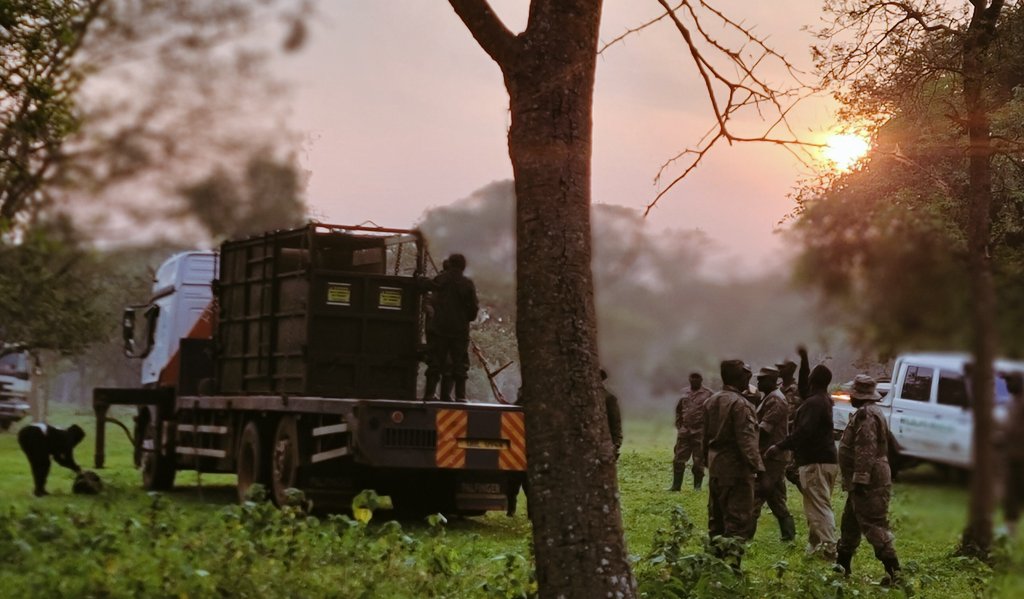
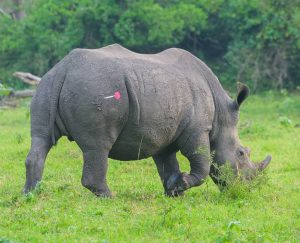
The return of the white rhino to Ajai Wildlife Reserve after more than four decades is more than just a conservation success story. It is a historic and emotional milestone for Uganda. This achievement is the culmination of years of meticulous planning, scientific research, and breeding programs. That began with the rhinos’ return to Uganda in 2005 at Ziwa Rhino Sanctuary. It is a testament to the dedication of the Uganda Wildlife Authority (UWA) and the resilience of the Ugandan conservationists who dared to dream that the West Nile could once again be a true rhino landscape.
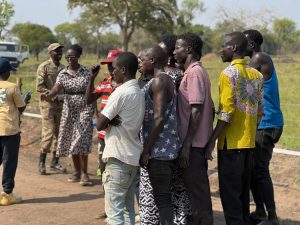
The communities surrounding Ajai have been instrumental in this journey. They embraced the vision, vacated land, and protected the reserve based on a solemn promise. That tourism would eventually return value to their lives.
However, as we celebrate this monumental achievement, we must be clear and strategic. The reintroduction of the rhino should not mark the end of the conversation, but rather the beginning of a bold new chapter in destination development.
The Pivot: From Viewing Animals to Buying Experiences
While the rhino is a powerful magnet of restoring the “Big Five” status to the region. A single species cannot sustain a destination. To ensure Ajai functions as a viable economic engine, we must acknowledge a fundamental truth of modern travel. Tourists do not travel solely to “see a rhino.”
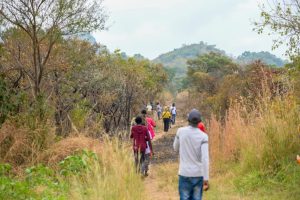
As my colleague ‘Rogers’ has astutely pointed out, today’s traveller seeks a total package. They travel for experiences, comfort, shopping, access, storytelling, and variety. They want to know where they will sleep, what they will eat. How they will relax, and what stories they will take home.
If we rely on the rhino alone, we risk creating a “transactional” tourism model where visitors pop in for a few hours and leave. To position West Nile competitively on Uganda’s tourism map, we are encouraged to expand our offering beyond the game drive. We need to build an ecosystem of comfort and lifestyle that includes;
- High-quality accommodation and “off-grid” luxury.
- Retail and shopping opportunities for local crafts and fashion.
- Culinary exploration of local cuisine.
- Immersive storytelling that connects visitors to the land.
The Vision: “Uganda Unhurried” & The Immersion Frontier
West Nile is uniquely positioned to answer the rising global demand for “Slow Travel”. High-value, low-impact tourism focused on culture, wellness, and immersion. Unlike the rushed circuits elsewhere, West Nile offers a convergence of history, geography, and humanity that is unmatched.
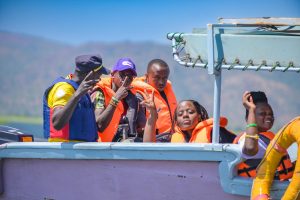
We have the opportunity to brand this region as the “Immersion Frontier,” woven together by six distinct pillars;
The Echoes of History (Heritage Tourism)
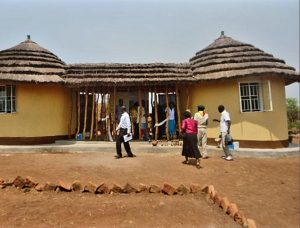
West Nile is a living museum of African history, possessing narratives that exist nowhere else in Uganda. We can guide visitors to the very grounds where Theodore Roosevelt camped for two weeks in Rhino Camp during his historic 1910 expedition. And retrace the path of Winston Churchill, whose visit immortalised the region in travel literature. These global footprints complement the unique history of the Lado Enclave (when this land was under Belgian administration), the Emin Pasha forts, the Idd Amin trail, and the solemn legacy of the Slave Trade routes. These sites turn the region into a classroom of resilience and global connection.
The Peaks and Highlands (Adventure)
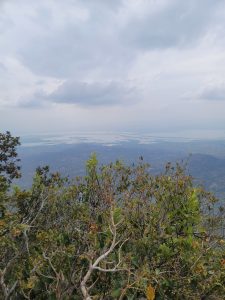
Beyond the savannah, the West Nile skyline is defined by spectacular peaks waiting to be explored. We are encouraged to develop hiking and trekking circuits across our great mountains. Mt. Otce, Mt. Illo, Mt. Wati, Mt. Liru, and Mt. Nyeri. Coupled with the misty tea and coffee highlands of Zombo and the “World’s Smallest Church” on Biku Hill. These landscapes offer a climate and adventure profile distinct from the rest of the north, perfect for the active traveler.
The Living Tapestry (Cultural Diversity)
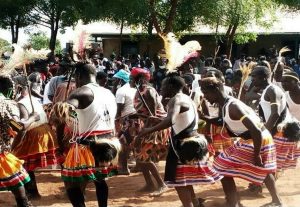
Our greatest asset is our people. The West Nile is a melting pot of culture. The Lugbara, Alur, Madi, Kakwa, Kebu, and extensive Nubian heritage. But our cultural story has evolved. We are now home to a vibrant refugee community, influence from the Congoless neighbour. Integrating their resilience, art, food, and stories into our tourism offering creates a unique “tourism of humanity”. Showing the world how diverse cultures coexist and thrive together.
The Water & The City (Relaxation & Lifestyle)
The journey is anchored by the Nile. From the ancestral site of Wang-Lei in Pakwach to the serenity of the Arra Fishing Lodge in Adjumani (a model for eco-luxury and water-based tourism), the river connects us. This is supported by the urban pulse of Arua City, which provides the necessary nightlife, shopping, and “Soukous” music scene to round out the visitor experience
The Sanctuaries of Faith (Religious Tourism)
West Nile is a profound destination for spiritual reflection and pilgrimage, holding the roots of faith for Northern Uganda. We must highlight the Lodonga Minor Basilica, the first Basilica in Sub-Saharan Africa and a masterpiece of Roman Catholic history. Beyond Lodonga, the circuit offers a journey through time. Visitors can stand at Pakuba (Omach) near Pakwach, where the first Catholic cross was planted in 1910. Or travel to Indriani in Adjumani, the “Bethlehem” of the Madi sub-region where the Comboni missionaries first settled in 1912. The journey culminates in Arua City, where the twin spires of Ediofe Cathedral (Catholic) and the historic Mvara Cathedral (Anglican) stand as towering symbols of the region’s enduring spiritual heritage.
The Geographic Gateway (The Tri-Point Connection)
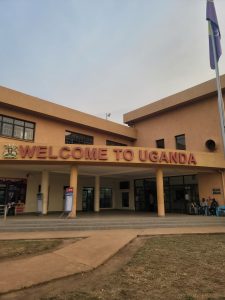
West Nile is not just a region, it is a continental gateway. In Koboko, we possess the unique Salia Musala, the tri-point where Uganda, the Democratic Republic of Congo (DRC), and South Sudan meet. This offers a rare geographic allure, standing in three countries at once. This proximity opens the door for Cross-Border Tourism, attracting adventurers who wish to experience the cultural fluidity. Between the Kakwa, Lugbara, and Alur communities that span across these borders, fostering a narrative of unity and exploration.
Strategic Connectivity, Infrastructure as the Enabler
For this vision to materialize, accessibility is paramount. Fortunately, the region is undergoing a transformation that we must leverage;
Arua Airport Upgrade
The ongoing expansion of Arua Airport to international standards is a game-changer. It positions the region to receive direct regional flights and serves as a hub for travelers connecting to Murchison, Kidepo, and the wider East African region.
Road Network Transformation
The extensive road construction projects currently underway are steadily erasing the old narrative of “remoteness.” As the network improves, linking Pakwach, Rhino Camp, Obongi, and Yumbe, we are creating a seamless internal circuit.
The Nile Cruise
There is an exciting opportunity to revive historic waterways. A cruise route from Pakwach to Nimule/Elegu could become one of Africa’s longest experiential river safaris, featuring stopovers at heritage sites and fishing villages.
An Invitation to Government & Stakeholders
To honor the promise made to the communities, the public and private sectors are advised to work in close concert.
Infrastructure & Investment
For the private sector to build the necessary lodges and camps, the government is encouraged to support the provision of basic services—specifically reliable electricity, telecommunications, and medical evacuation capabilities. Furthermore, UWA is advised to continue opening concessions in a transparent manner that attracts serious investors.
Destination Marketing
The Uganda Tourism Board (UTB) has a vital role to play here. We suggest a focus on;
Destination Mapping. Clearly defining the West Nile circuit to include our mountains, historical/Cultural sites, and the Salia Musala tri-point.
Targeted Campaigns. Reaching out to the expatriate community in Juba and regional travelers who are close by but currently underserved.
Community Empowerment
Benefits do not trickle down automatically. It is advisable to actively train community guides, support homestays, and link farmers to lodge supply chains. Funds such as the PDM (Parish Development Model) could be strategically directed toward community-based tourism ventures.
Conclusion
The return of the rhino is a conservation triumph, but conservation alone is not enough. The rhino has returned. Now, the economy must follow.
By shifting our focus from simple wildlife viewing to complex, high-value destination development, we can transform Ajai and the West Nile into Uganda’s next great tourism frontier. We have the River Nile, the history, the culture, the mountains, the borders, and now, the wildlife.
It is time to invite the world not just to see our animals, but to experience our soul.
#VisitWestNile #ExploreWestNile #UnveilingWestNile
Co-authors
Nakasanje Jannat
The Mad Man
Travel Specialist
Boniface, West Nile Birding Safaris