
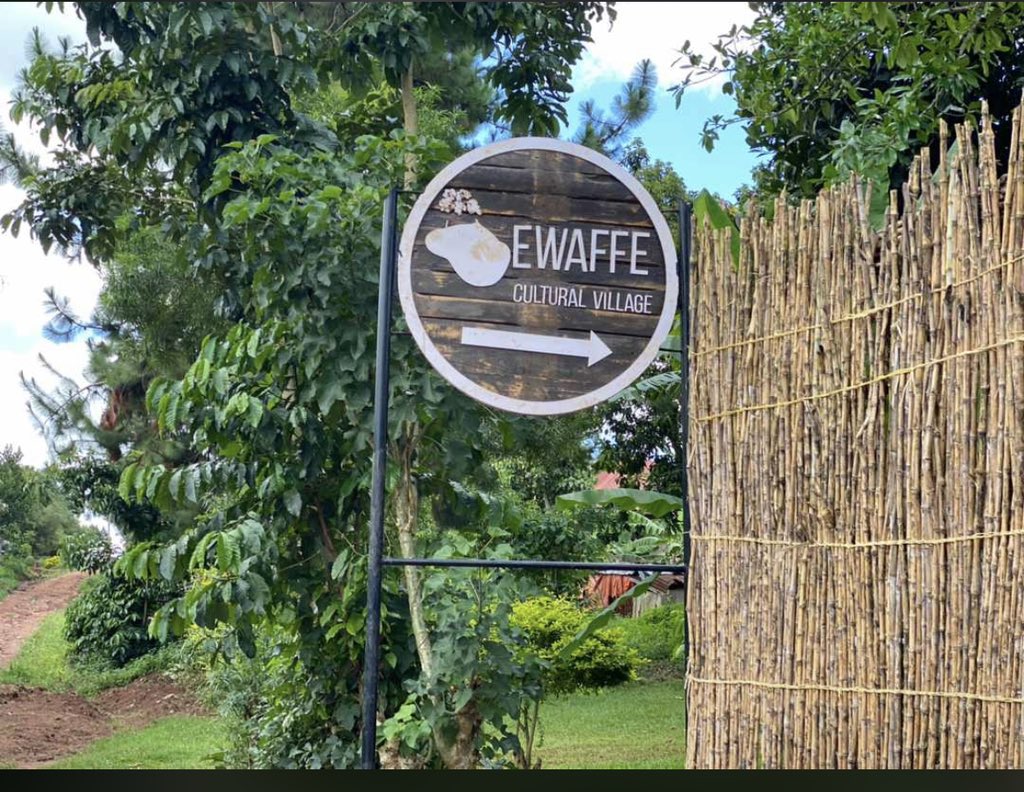
Sitting cross-legged on a piece of hard wood, I felt the rhythmic pulse of traditional drums reverberating through my body. Dancers moved with graceful precision, their feet swiftly gliding past me, each step a vivid expression of culture. I clicked away on my phone, capturing the essence of it all; the storytelling, the captivating dances, and the shared traditions that have been passed down through generations. My visit to Ewaffe Cultural Village was a reminder that Uganda’s tourism isn’t just about wildlife. It’s also about exploring the country’s rich history, food, arts, and diverse cultures
While Uganda’s wildlife is internationally renowned, to truly experience the country, one must delve deeper into its heritage. The culture of Uganda isn’t just something you find in museums or historical sites; it’s alive, woven into the fabric of daily life. However, if you want to go beyond the surface and explore Uganda’s deep cultural roots, Ewaffe Cultural Village is the place to start.
Uganda’s Cultural Richness
Uganda is home to over 50 tribes, each with its own distinct language, beliefs, traditions, and customs. From the Baganda of central Uganda to the Basoga, Bakiga, Banyankole, and others, the country’s cultural diversity is immense. As Winston Churchill aptly described Uganda in 1908 as the “Pearl of Africa,” he may not have fully envisioned the array of cultures that make up this beautiful nation. Yet, when you visit places like the Kasubi Tombs and hear stories of Kabaka Muteesa I, you’ll understand how this country’s cultural diversity has been woven together since its earliest days.
But today, my focus isn’t on Uganda’s broad cultural landscape, but on the specific experience that took me back in time at Ewaffe Cultural Village.
The Charm of Ewaffe
Just 45 kilometers from Kampala, Ewaffe Cultural Village feels like a world apart. As I made my way through rugged dirt roads, passing locals tending to their gardens, hauling firewood on their heads, and working on communal trenches, it was clear that this was not just a tourist attraction, it was a glimpse into a way of life that still thrives today. The air felt different here, as though I had stepped into another era, one that felt familiar yet distant.
The warmth with which I was greeted by the sengas (aunties), kojas (uncles), and the children performing traditional dances made me feel immediately at home. In fact, the village’s name, Ewaffe, which means “our home” in the local language, was perfectly fitting. Whether it’s your first visit or your third, Ewaffe truly feels like home.
A Walk Down Memory Lane at The Well and the Lujuliro
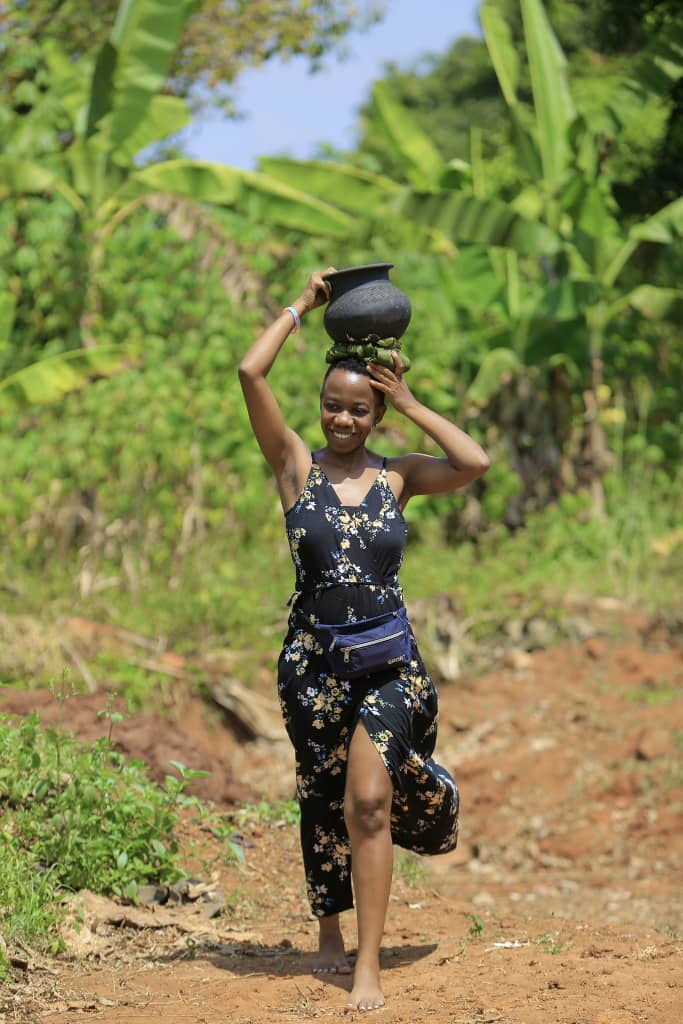
Ewaffe is more than just a cultural exhibit; it’s a living, breathing representation of Uganda’s traditional way of life. One of the most memorable aspects of my visit was the journey to the village well. In many Ugandan villages, the well is a central gathering place; a time for community and connection. As we walked to the well, memories from my own childhood flooded back. I remember how, as a young child, there was a certain hour of the day when we were not supposed to visit the well. This was because, according to local legends, a snake wearing a red cap would sit on the large stone beside the well. I’m sure many Ugandans are familiar with this iconic stone, found beside most village wells.
The well also marked an important social time in my childhood. It was a communal space where neighbors caught up, where children played, and where adolescents often met for their first secret crushes. There, barefoot and carefree, we would chat, laugh, and enjoy simple, beautiful moments. The well was more than just a source of water; it was a cornerstone of village life.
And then there was the lujuliro, the traditional method of sharing a meal in Uganda. At Ewaffe, when food is served, it’s not just about eating; it’s about coming together as one, as a community. There’s no rush. The food is shared, the conversations flow, and it’s a reminder that in Uganda, food is not just sustenance, it’s an expression of love and unity.
The Food
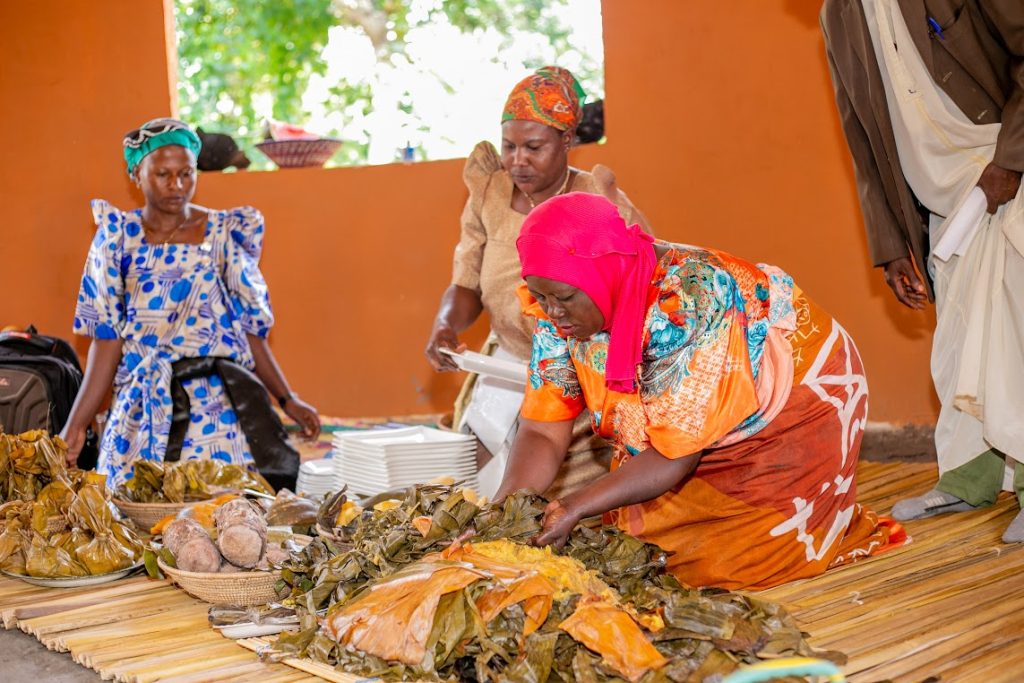
Speaking of food, Ewaffe’s traditional dishes were a revelation. The meals served at the village were so fresh, so flavorful, and so authentic that they transported me straight back to my childhood. The food wasn’t just delicious; it was prepared with love and care. As someone who typically has a small appetite, I found myself eating more than I ever thought I could. The flavors were rich, the spices were perfectly balanced, and the aroma was nothing short of intoxicating.
I couldn’t help but think of my loved ones and how I wished I could share this meal with them. But alas, it was a simple, yet profound, reminder that some things like the taste of a home-cooked meal cannot be taken or replicated. If the food at Ewaffe were a person, I’d probably date it. That’s how much it left an impression on me.
Medicinal Gardens and Traditional Practices
Beyond the food and social experiences, Ewaffe offers valuable insights into the traditional ways that Ugandans lived and survived. The village features medicinal gardens, where herbs and plants once used by our ancestors are cultivated. These plants were central to the longevity of our grandparents, many of whom lived well into their 90s and beyond. Today, the average life expectancy in Uganda is around 60 years, a sharp contrast to the healthier years of previous generations. Ewaffe teaches us that much of this longevity was thanks to local herbs that our ancestors used for medicinal purposes.
Visitors also have the opportunity to learn how to prepare Luwombo, a signature dish of the Buganda Kingdom that has a rich history. Once reserved for royals, Luwombo has become a dish enjoyed by many across Uganda. The preparation of Luwombo is intricate, with each step holding deep cultural significance. The entire process is a hidden treasure that speaks to the artistry and wisdom of Uganda’s culinary traditions.
From traditional attire like gomasis and kanzus to fishing methods, backcloth making, and other cultural activities, Ewaffe immerses you in the heart of Buganda’s heritage. Every activity, every story, and every lesson offers a glimpse into a life that was once common but is rapidly fading in today’s fast-paced world.
Explore Uganda’s Culture
Whether you’ve ever considered Uganda as a cultural destination or not, I hope this article has piqued your interest. For Ugandans, Ewaffe Cultural Village is a place to reconnect with our roots, to teach our children about their heritage, and to pass down traditions that have stood the test of time. The world is changing fast, and many of the customs and practices that once defined us are being forgotten. But our culture and heritage are treasures that we should cherish and carry forward to future generations.
For tourists seeking to experience Uganda beyond its wildlife, Ewaffe offers an authentic, immersive cultural experience. It’s an invitation to reconnect with tradition, and celebrate the history and customs that make Uganda truly special.
So, if you haven’t yet planned a cultural tour of Uganda, consider this your invitation to come and experience the warmth, the history, and the beauty of Uganda’s diverse cultures. Ewaffe Cultural Village is waiting for you