

History unfolded at Ziwa Rhino Sanctuary as two white rhinos prepared for their journey to Ajai Wildlife Reserve. By early morning, the sanctuary was alive with anticipation. Rangers, veterinarians, and wildlife experts had already assembled, briefing each other carefully on every step of the translocation. Every movement, every decision, had been mapped out. From darting the rhinos safely to loading them onto transport cabins and securing them for the road ahead.
Tranquilizers, protective coverings for the rhinos’ eyes and ears. And all substances required to safely immobilize the animals were laid out. These measures were designed to reduce stress and ensure both the rhinos’ and the team’s safety. Emergency wildlife rescue vans were stationed nearby, ready to respond in case of any unforeseen challenge. In moments like this, planning is everything. Because every animal’s life and well-being is in the balance.
Darting and Guiding
The first rhino was carefully darted. Its ears were blocked to soften the surrounding sounds, and a soft covering shielded its eyes from the commotion. Substances were administered to make the rhino lighter, yet still able to walk. Because no one can lift a full-grown rhino safely. Blood samples were taken, and its limbs were gently adjusted to ensure the animal remained healthy and comfortable throughout the process.
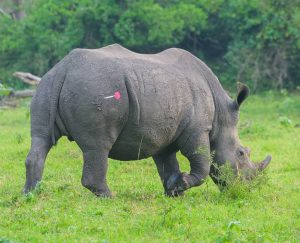
Watching the rangers and veterinary team work was mesmerizing. Each push, each adjustment, each nudge was executed with skill and patience. Ensuring the rhino remained calm and unharmed. This delicate operation is not just about moving an animal. It is a careful blend of veterinary science, wildlife knowledge, and deep respect for life. Every person on the ground knew the responsibility of the moment, and it showed in their focus and care.
Loading Onto the Trucks
The rhino was then guided toward its transport cabin, the next stage began. Using its horn gently for steering, the animal was carefully maneuvered into the cabin with the help of the team. After unmeasurable effort, it finally entered, standing inside a structure that was as secure as it was comfortable. The cabin allowed enough air and space for the rhino to remain calm during the journey.

Heavy-duty cranes then lifted the cabins slowly and steadily. Lowering them onto the waiting trucks. Every strap was double-checked, every movement deliberate. The second rhino underwent the same careful procedure. Watching these operations unfold was like witnessing a choreographed performance: precise, tense, and filled with respect for the life inside the cabins.
With both rhinos safely loaded and the cabins secured, the convoy prepared to set off. Engines started, radios crackled, and the vehicles slowly lined up. After hours of careful preparation, the rhinos were finally on the road. Beginning their journey back to a home they had not walked for decades.

The Journey to Ajai
The convoy moved carefully, led by security vehicles ensuring the rhinos’ safety. The cabins, though appearing heavy and rigid from the outside, were designed to be breathable and stable inside. Giving the rhinos the space to remain calm. Every bump, turn, and stretch of road was navigated with patience.
Passing through Murchison Falls National Park, the route held symbolic meaning. While the rhinos are only passing through today, plans are already in place to introduce them here in the future. Further strengthening Uganda’s conservation network. This stretch serves as a reminder of the careful balance between wildlife protection and habitat readiness. Each move must be deliberate to maintain both the rhinos’ safety and the integrity of the park.

Along the way, locals paused to watch. They did not follow the convoy, but many gathered beside the road, quietly observing. For decades, the rhino has been a cultural emblem in this region. Even when it disappeared from Ajai, it remained honored. Its story told from generation to generation, names given after it, a symbol of heritage and respect. Seeing it return was not just a moment for science and conservation, but for a community reconnecting with its roots.
Grand Arrival at Ajai Wildlife Reserve
Finally, the convoy reached Ajai Wildlife Reserve. Gates opened, trucks rolled in, and everything was prepared. Fences were secure, water had been delivered, and the land lay calm and ready. The team readied for the defining moment: releasing the rhinos into their new home.

The Historic Release
After more than 40 years, the first rhino stepped onto Ajai’s grounds. At first cautious, it quickly moved with grace, calm, and purpose. Every step echoed decades of heritage, conservation, and tireless effort. The rhino sniffed, sensed, and explored its surroundings. A living reminder of what careful teamwork and dedication can achieve.

Minutes later, the second rhino followed. And then came the breathtaking moment. The two rhinos met. Together, they roamed, testing the grasses, adjusting to the landscape. And moving with a calm curiosity that inspired awe.
Celebration and Community Pride
The Uganda Wildlife Authority team allowed themselves a moment of celebration. Claps and cheers mingled with proud smiles of community members, who had long honored the rhino as part of their identity. Seeing these animals walk again, safe and at ease, marked a triumph. A victory that honors the past, celebrates the present, and promises a future where wildlife and people thrive together.

A Symbol of Conservation and Heritage
Today’s translocation was more than a logistical achievement, it was a story of vision, care, and heritage restored. From careful planning at Ziwa Rhino Sanctuary to the successful release at Ajai Wildlife Reserve. Every step highlighted Uganda’s commitment to protecting its wildlife. The rhinos’ return is a living emblem of persistence, teamwork, and conservation. Proof that decades of dedication can restore what was once lost.